The best products aren't maps. They're curiosity compasses.
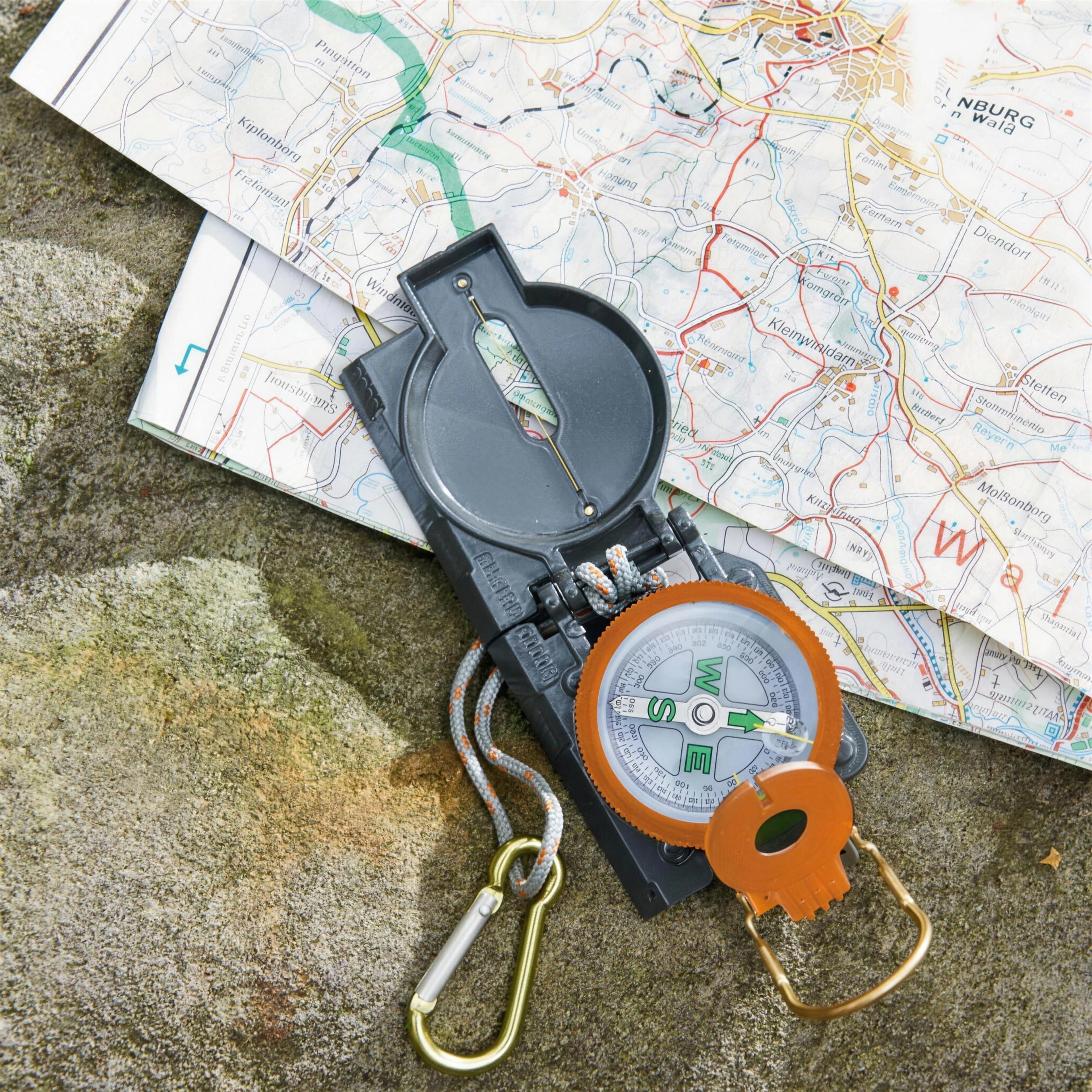
A compass resting on a folded walking map, on a sunlit rock
For years, we've been designing products that tell children exactly what to do next. Every tap, every screen, every interaction is carefully considered to remove friction and create the perfect journey.
But what if that's the problem?
We've been discussing this in the FINH office: that in kidtech, we keep building maps.
But what does that really mean?
Clear steps. Fixed outcomes. Do this, get that.
Safe? Yes. Useful? Sometimes.
Limiting? Always.
Kids don't learn through maps.
They learn through play, movement, and trying things simply to see what happens. They explore because they're curious, not because they're following a path. The moments they remember aren't always the ones we designed. They're often the ones they discovered for themselves.
What if we built products more like curiosity compasses instead?
Not rigid paths, but direction.
Not control, but guidance.
Not one right answer, but space to explore.
A curiosity compass doesn't tell children where to go. It helps them find their own way. It creates confidence without removing uncertainty, encouraging exploration while keeping them within safe boundaries.
What if the goal wasn't completion, but curiosity?
What if success wasn't measured by whether a child reached the end, but by what they discovered along the way?
For product teams, that means a shift.
Less flow design, more system design.
Less “perfect journey,” more “possible journeys.”
Less optimisation for completion, more opportunities for discovery.
You're not designing what kids should do.
You're shaping what they can do.
You're creating environments where curiosity has room to grow, where experimentation feels natural, and where children can make meaningful discoveries without needing to follow a predefined route.
Safe edges. Open middle.
That's the work.
Because if we keep building maps, we shouldn't be surprised when kids stop exploring.
The best products aren't maps.
They're curiosity compasses.