LUII
Learning Braille made easy
A friendly robot that teaches children aged 4 and up to read Type-1 Braille through sound and hands-on play.
Of the 250 million non-sighted people in the world, fewer than one in ten can read Braille. Of those who can't, more than 70% are unemployed. Among those who can, it's 30%. The gap isn't willingness. Braille takes one-to-one tuition, which is expensive and often simply unavailable, and the machines that teach it run to $1,000. The cheapest alternative starts at $500.
LUII is a friendly robot that teaches Type-1 Braille to children aged four and up, through sound and hands-on play. No prior Braille from the child, and none from the adult either. Built to retail at $99.
How it works
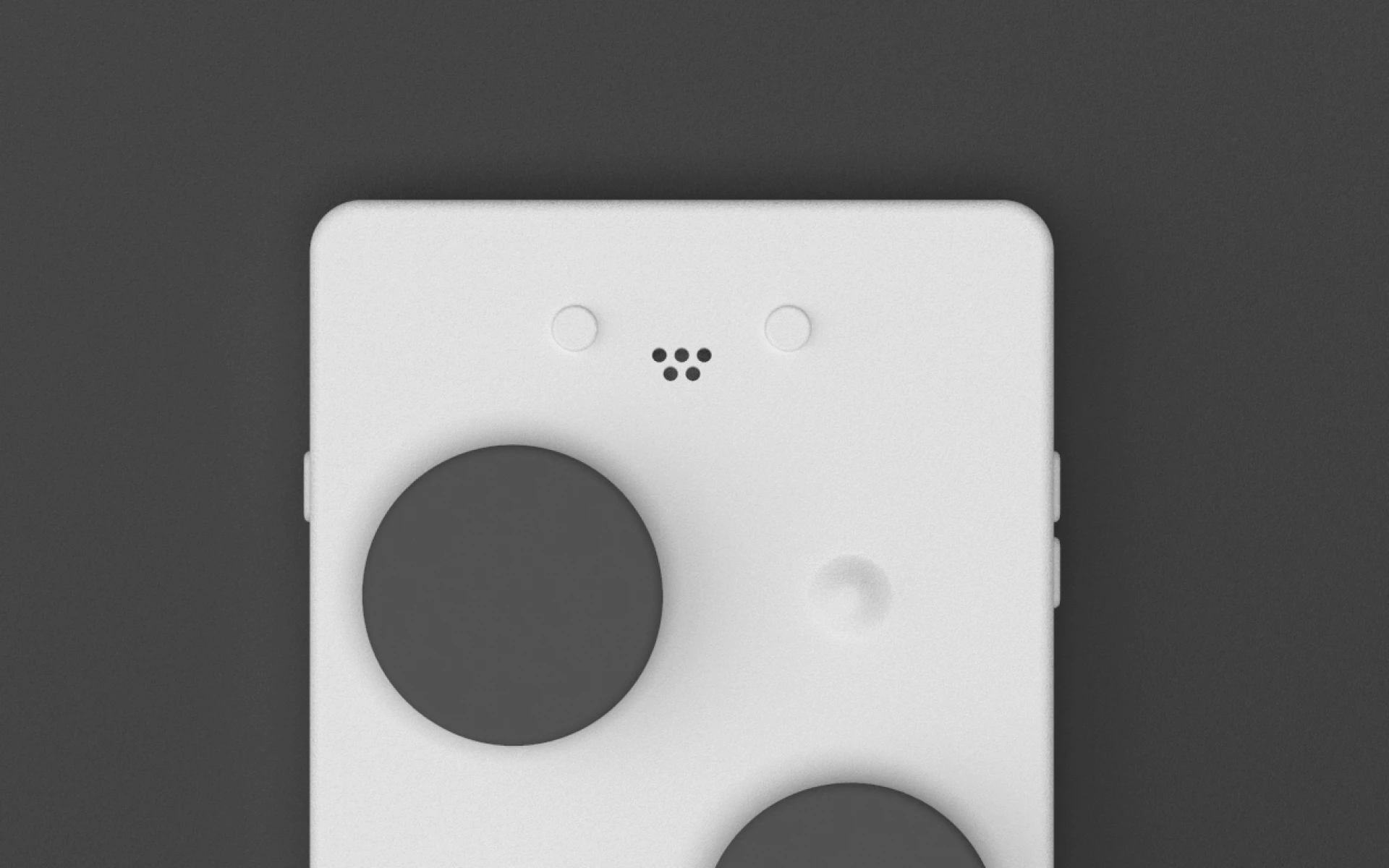
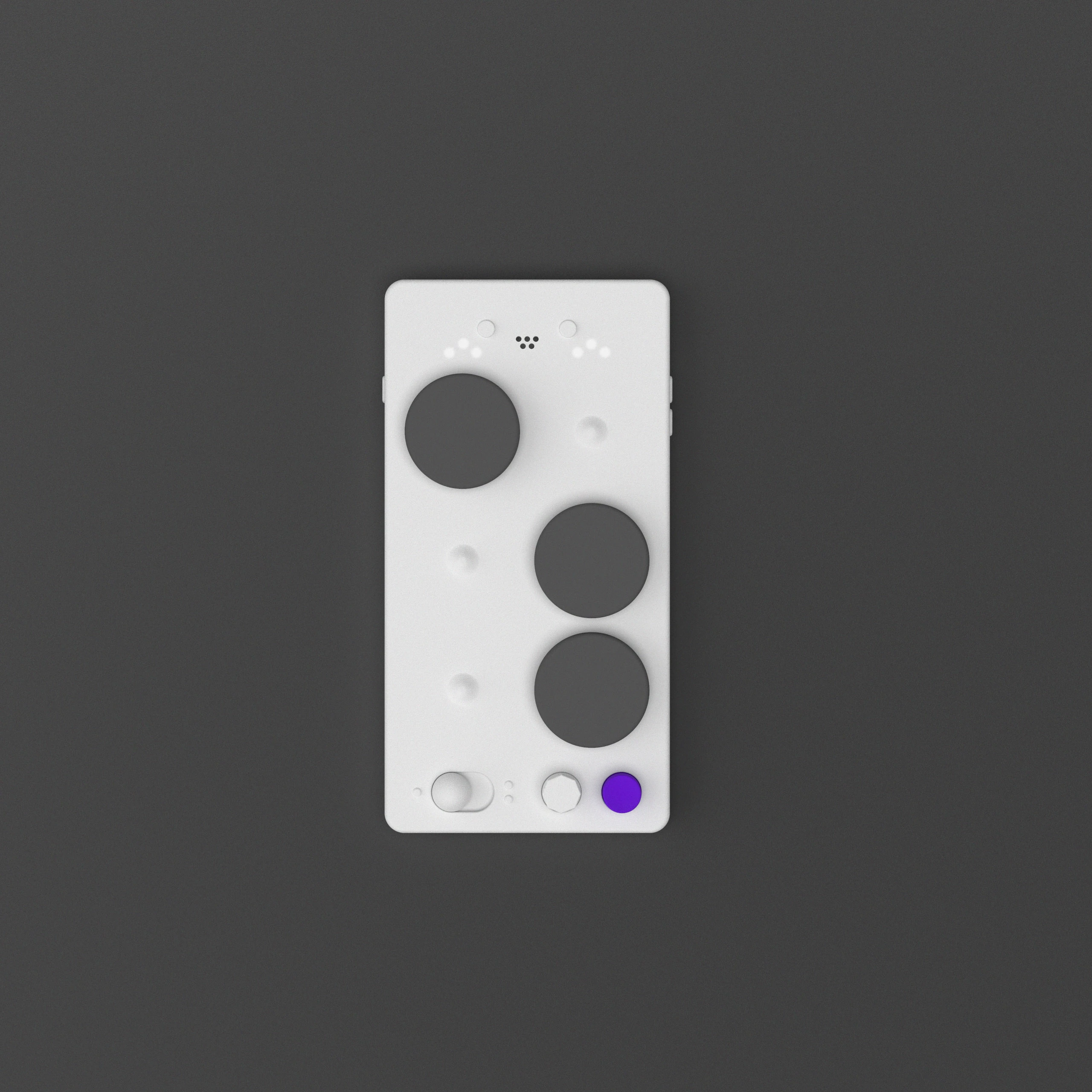
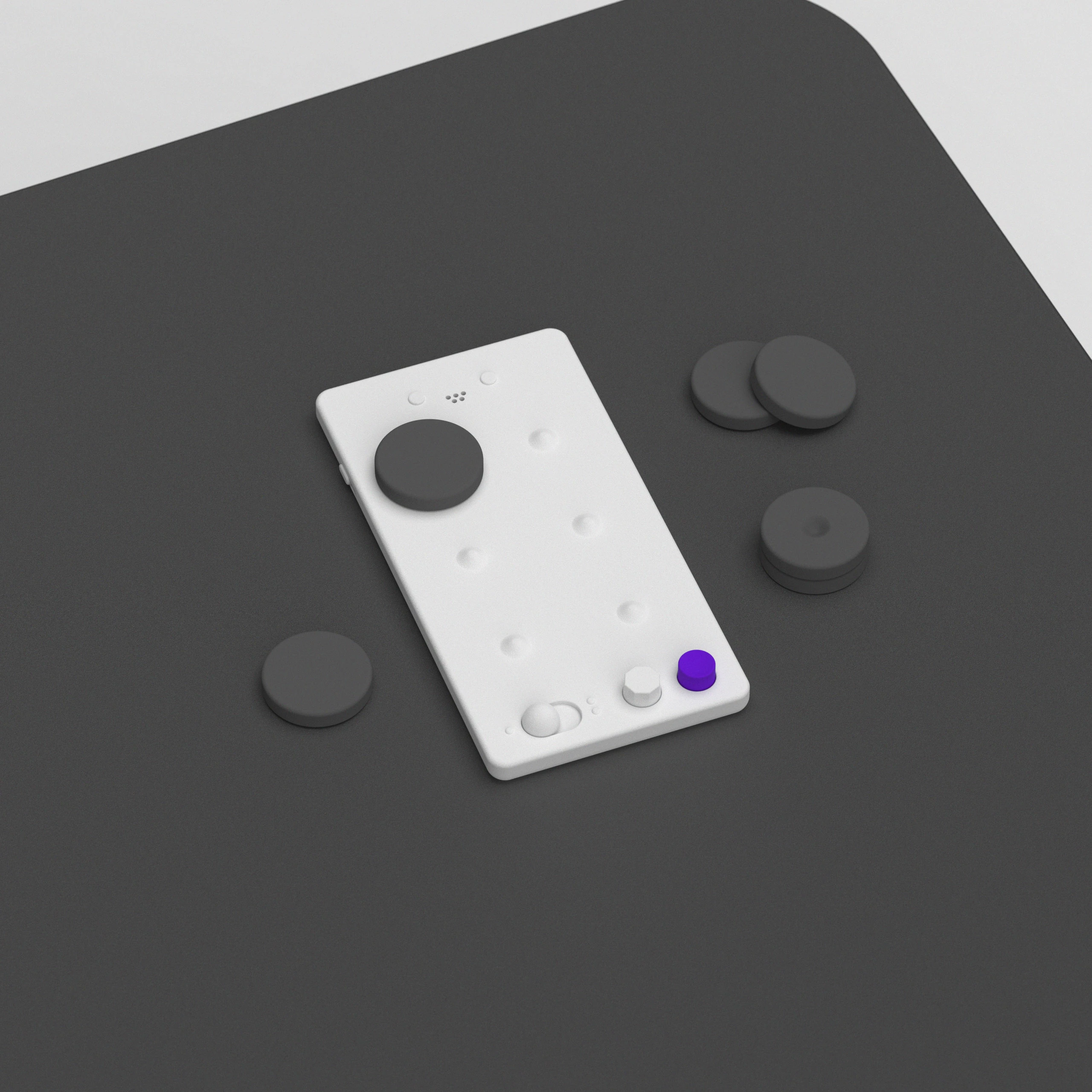
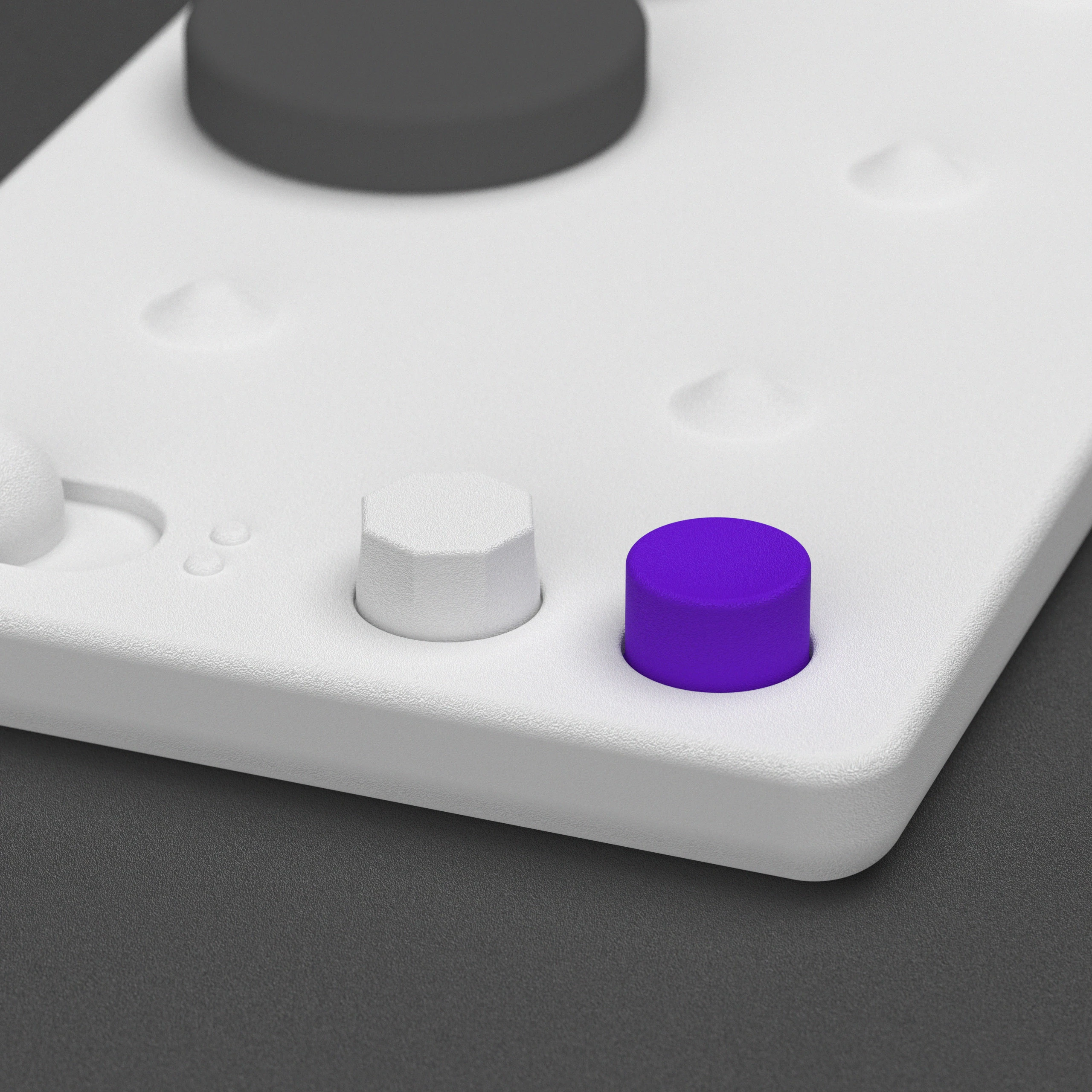
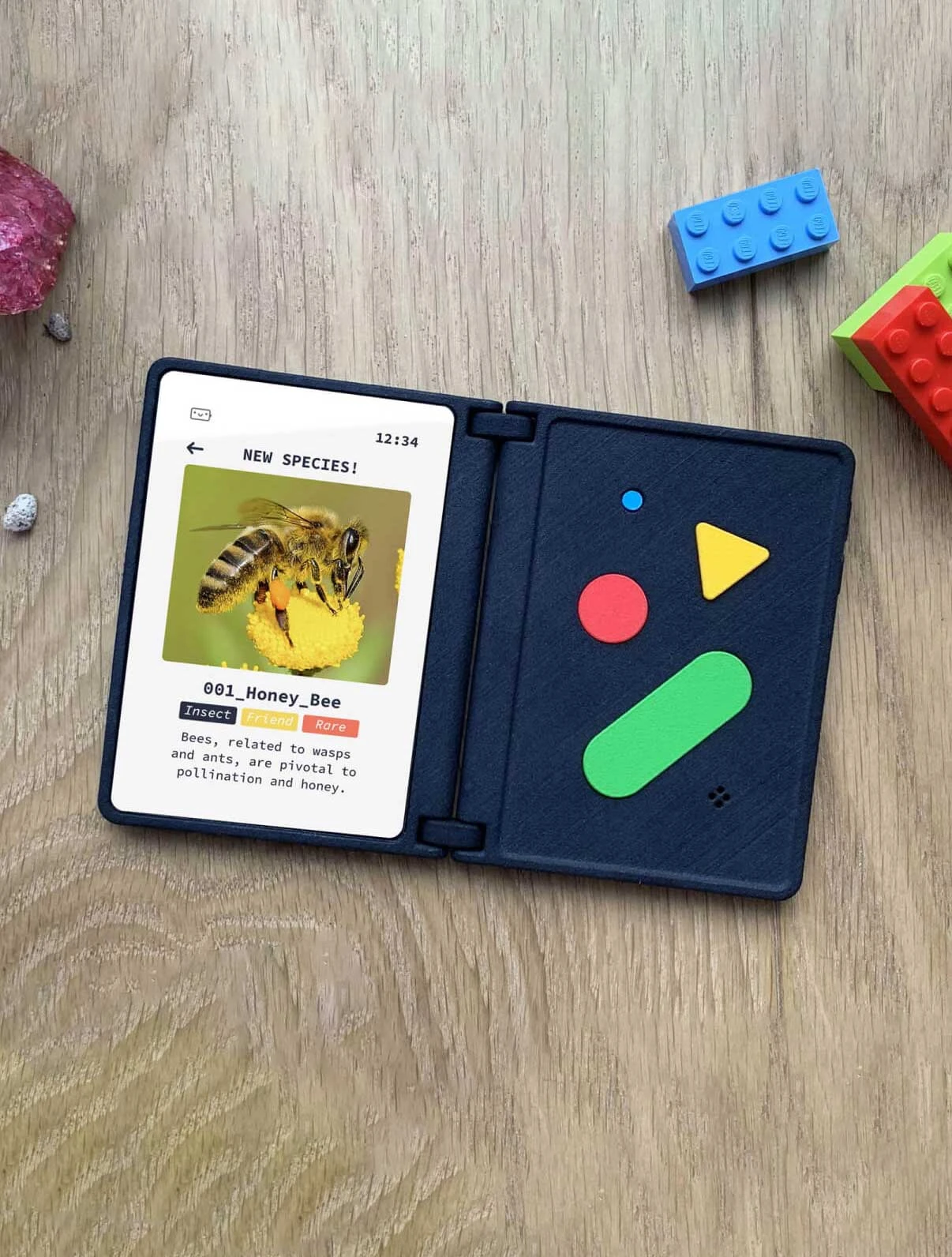
The Board is an empty Braille cell. The Dots are the raised dots that go inside it. Place the Dots, press Read, and LUII says the character back to you.
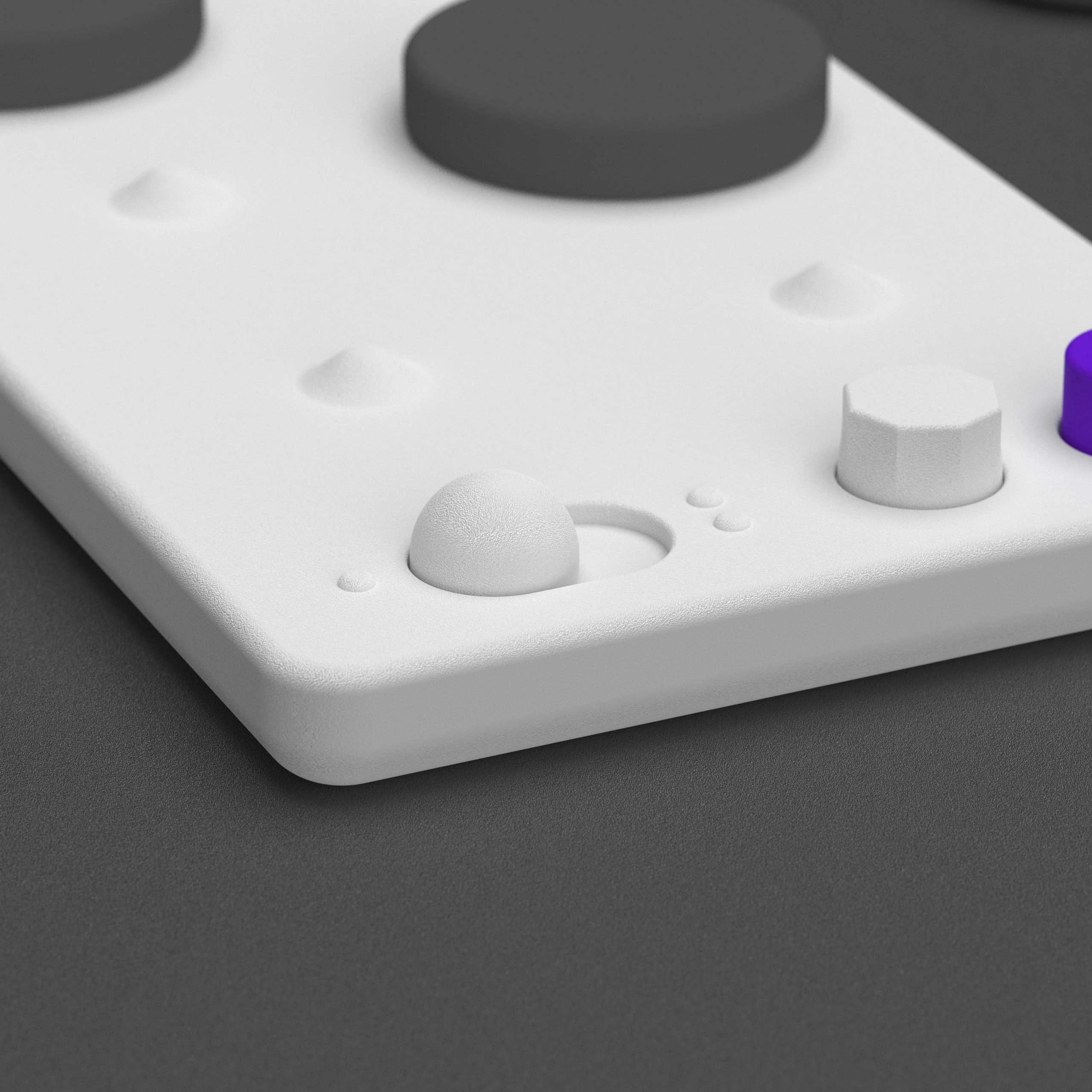
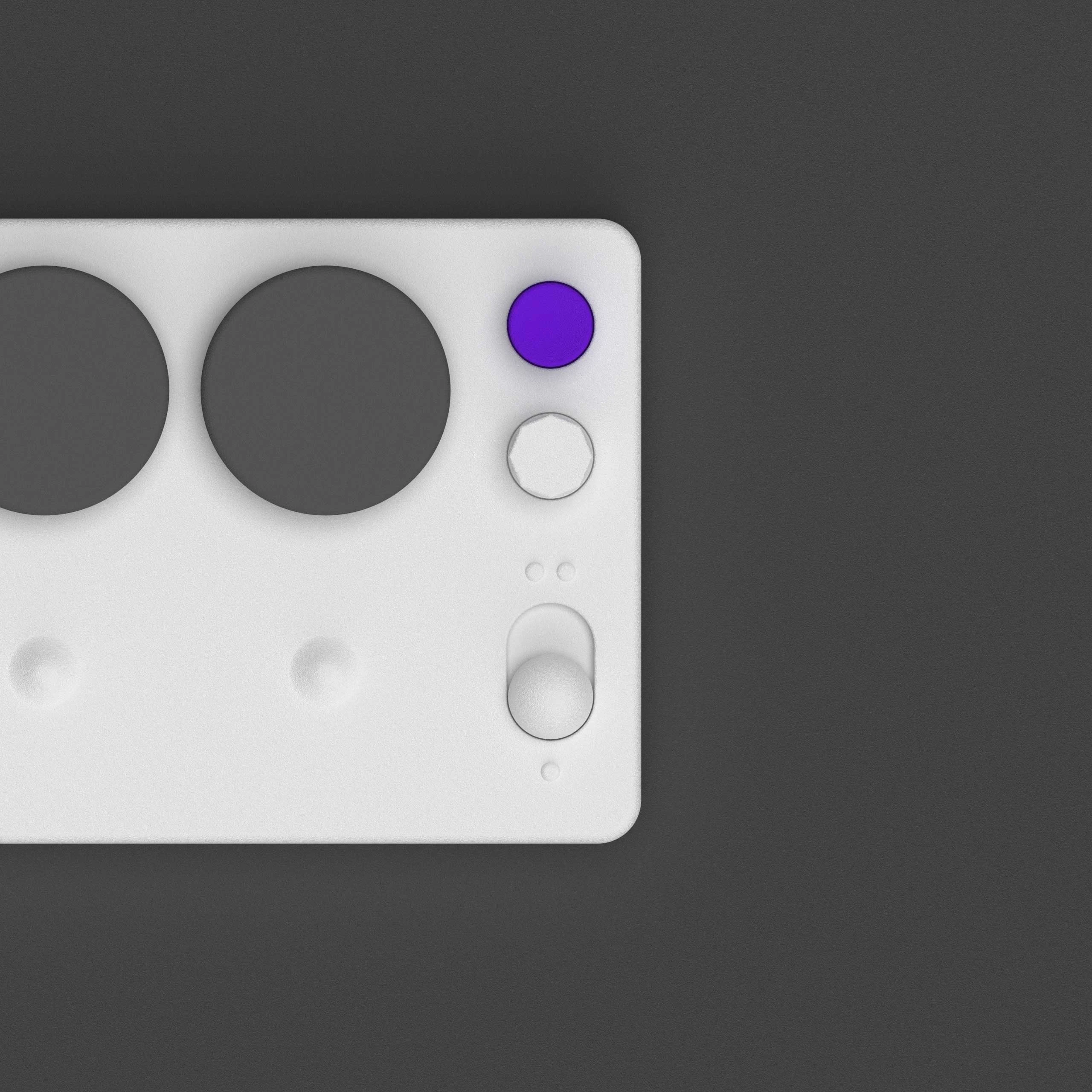
Explore Mode lets a child roam. A Switch picks Letters or Numbers and Punctuation, so characters that share a cell never collide. Learn Mode sets a task: the Dial lands on a character, a timer starts, and finishing it gets a small celebration. No adult required, which is the point.
Every character has a tune
The invention is the Melody Braille System. Every character carries a melody that says which dots in the cell are filled and which are empty. A child learns the tune, not the grid, and the tune tells them where to put their hands.
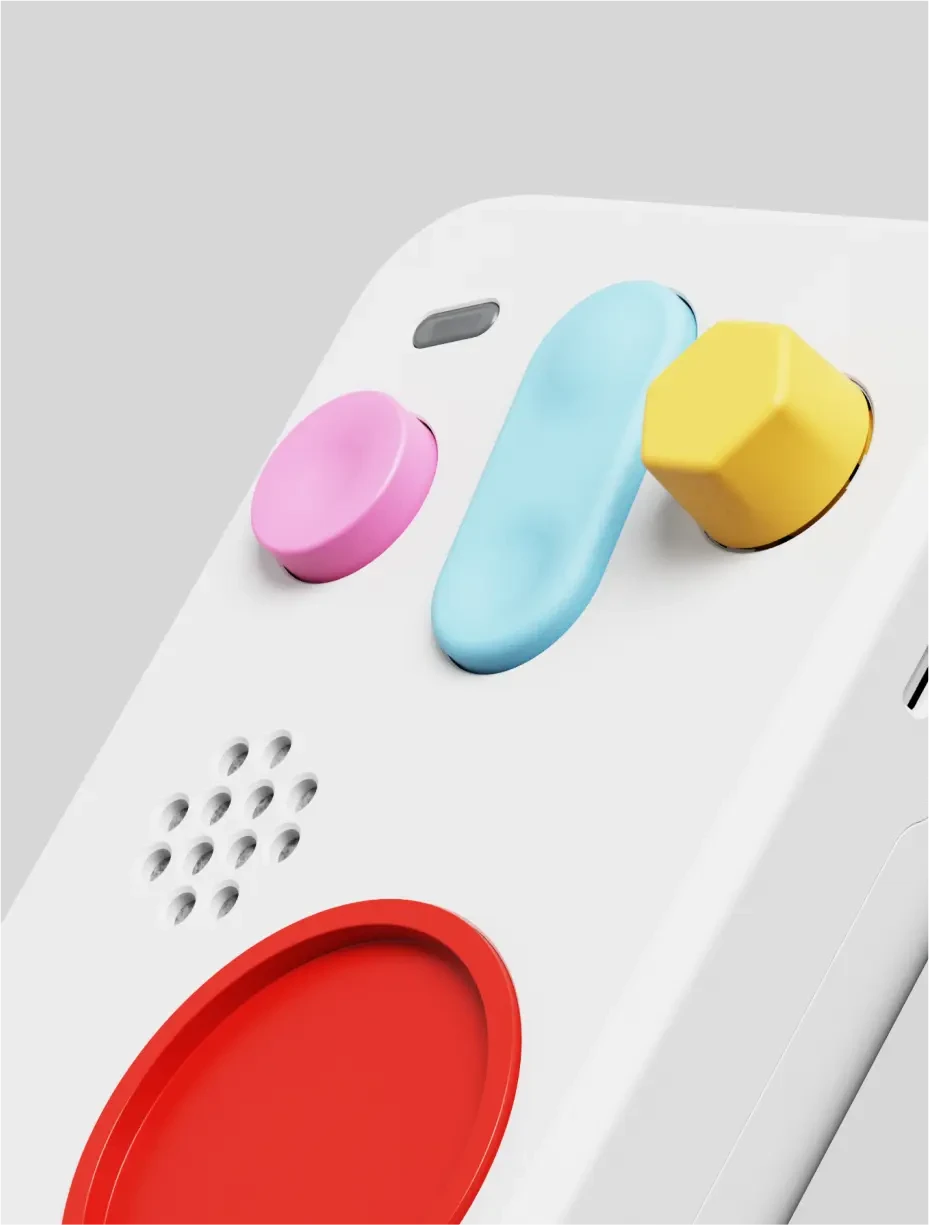
Haptics and light confirm it. A dot that docks correctly gives a small vibration and lights a freckle LED, so the child knows, and so does anyone sitting with them. Both turn off, which matters for children with ASD.
Every control has its own shape, action and job, so the whole thing can be read by hand. The Dots are magnetic: they hold to the Board while you play, and to each other when you put them away.
Made anywhere, shipped rarely
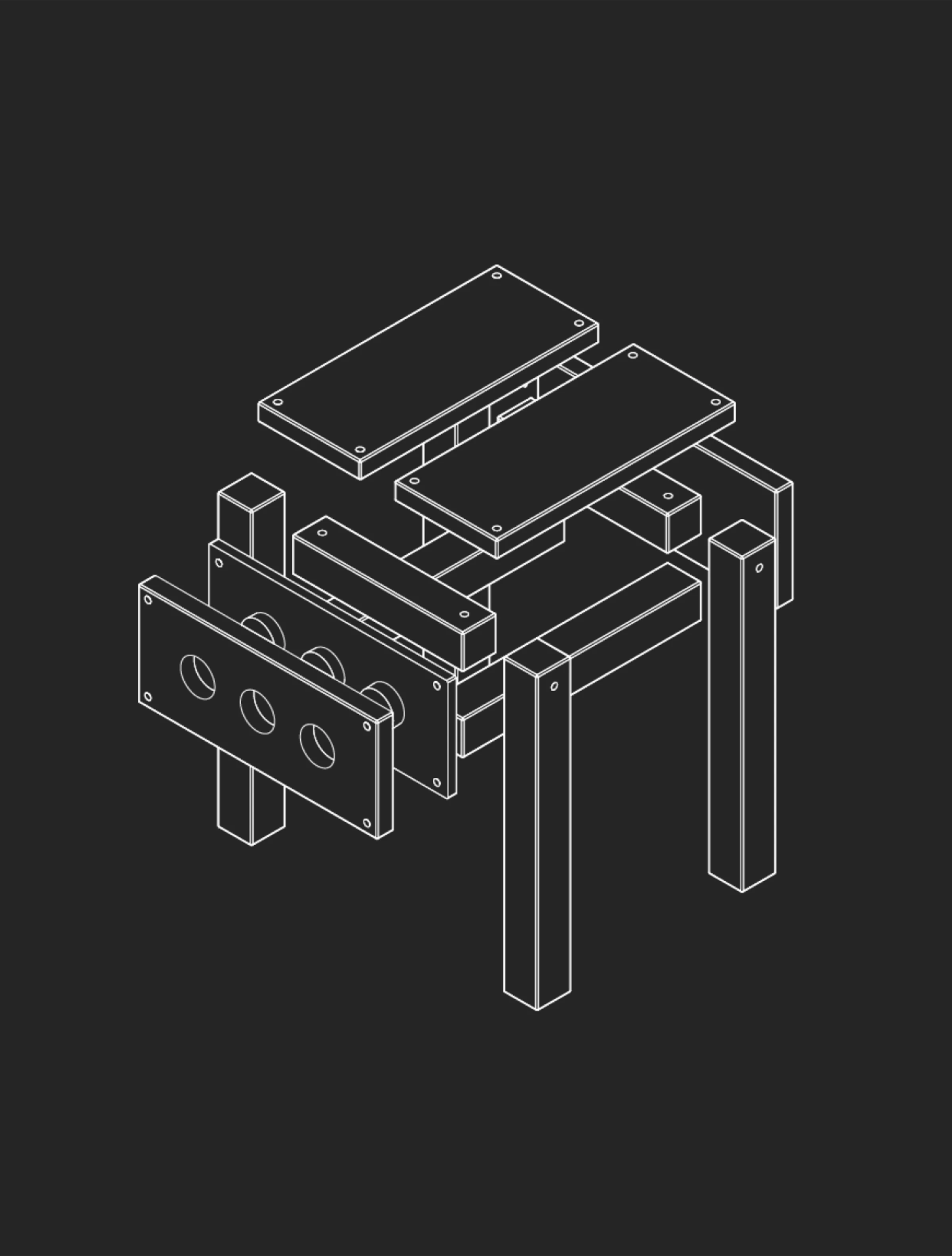
The business model follows the product. Distributors buy the PCB, the difficult part, at sensible minimums, then licence the files and print the bodies where they sell them. PCBs are made in the UK and travel as an unfinished good, which is better for margin and better at customs. The body is engineered for SLS printing: consistent, affordable at medium scale, and available almost everywhere.
Just-in-time keeps it honest. Fewer atoms crossing oceans, less sitting in a warehouse waiting to be wanted.
LUII reached a working prototype. Custom PCB and firmware, SLS-printed body, full assembly, and a sound identity of its own.
LUII
Learning Braille made easy
A friendly robot that teaches children aged 4 and up to read Type-1 Braille through sound and hands-on play.
THE CHALLENGE
Of the 250 million non-sighted people in the world, fewer than one in ten can read Braille, and the machines that teach it cost around $1,000. Braille takes one-to-one tuition, which is expensive and often simply unavailable. The problem was access. LUII is a pioneering way to learn Type-1 Braille for children aged four and up, with the personality of a friendly little robot. It teaches through touch, magnetic dots and sound melodies, so a child learns in several senses at once. Place the dots in the board, press Read, and LUII sings the character back. Every character has its own tune that says which dots are filled, so a child learns the melody, not the grid.
THE OUTCOME
I led the industrial design in collaboration with a directing partner. We made over ten prototypes, working through many rounds of electronics to a custom, manufacturable PCB and system, with an SLS-printed body and a sound identity of its own.
- Client
- Self-initiated with a partner
- Year
- 2021
- Sector
- Accessibility, Education, Hardware
- Agency
- FINH
- Type
- Physical
- Role
- Innovation, Industrial & Interaction Design
- Outcome
- Service Design & Strategy, Interaction Design, Industrial Design (CAD), Electronics Engineering (Arduino), Sound Identity