Aesthetic-Usability Effect
Design Principles
People perceive attractive things as easier to use, whether or not they are.
In practice
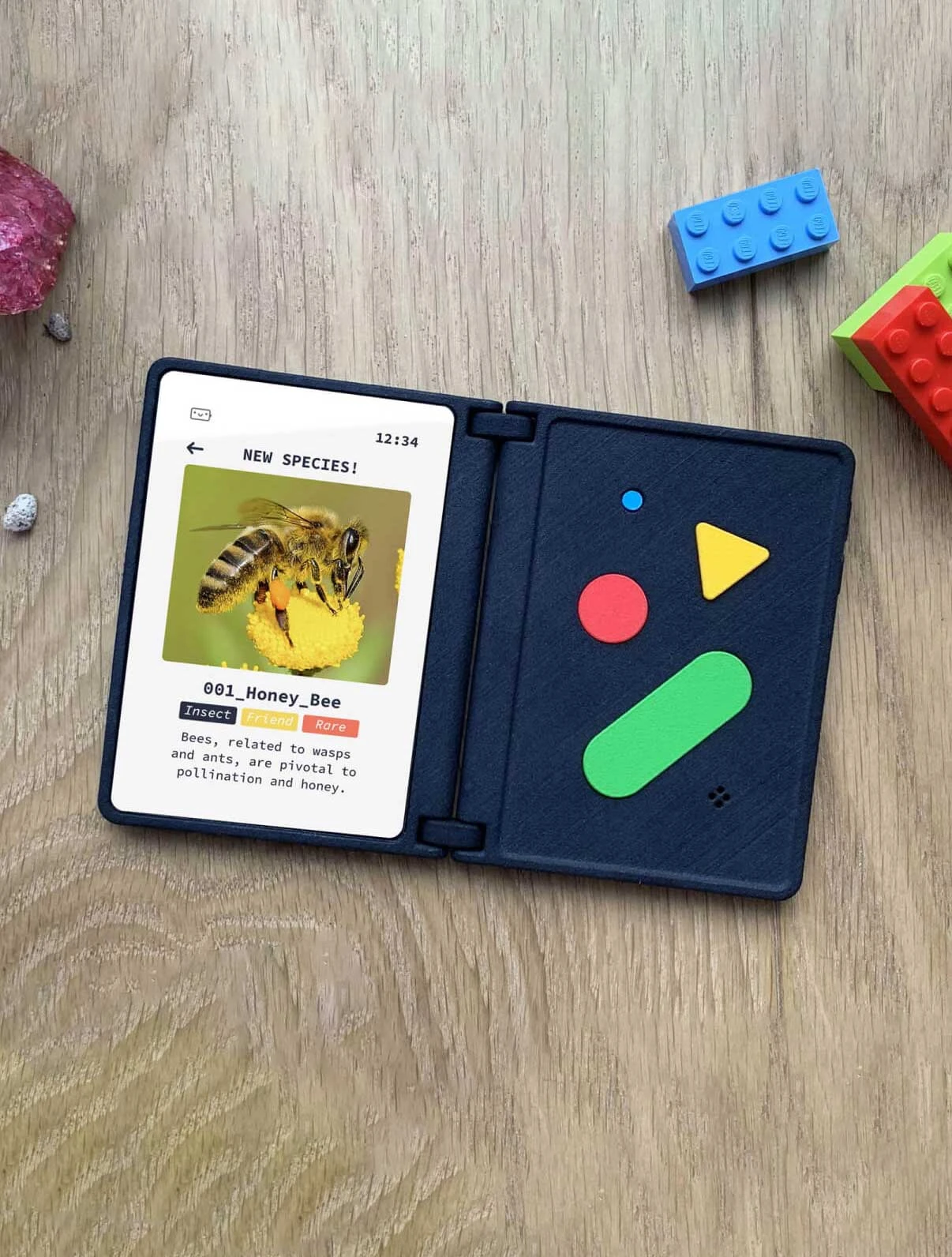
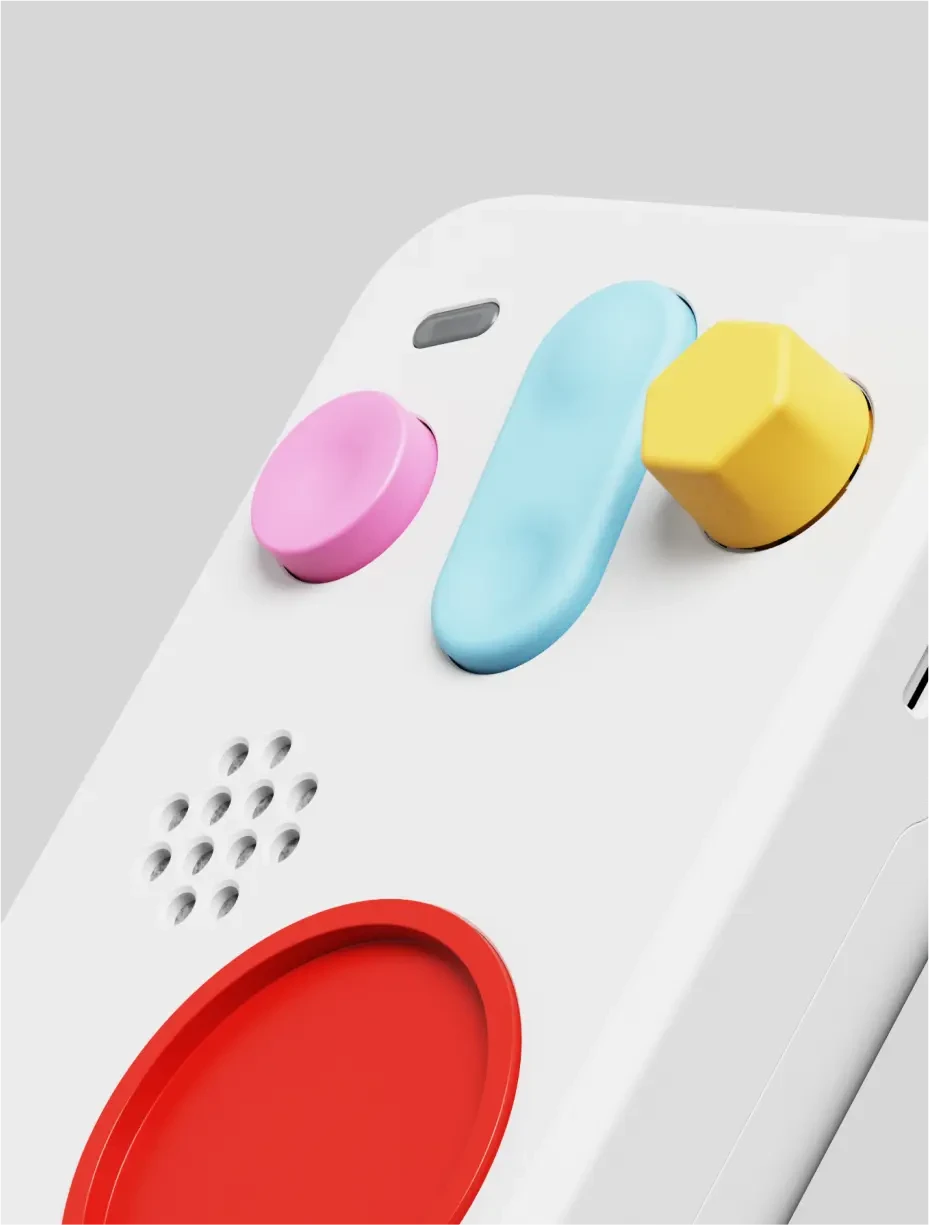
The aesthetic-usability effect, observed by Kurosu and Kashimura, is the tendency to rate visually pleasing designs as more usable and to forgive their flaws. It cuts two ways: good visual design buys goodwill and patience, and it can mask real usability problems in testing. The lesson is to invest in aesthetics and to test usability with the aesthetics stripped out.
Questions
What is Aesthetic-Usability Effect?
The aesthetic-usability effect is a bias where users perceive more attractive interfaces as more usable and are more tolerant of their usability issues.
Why do you use Aesthetic-Usability Effect?
Because how something looks changes how it is judged and how patiently it is used — and because it can hide problems you need to find.
How do you use/apply Aesthetic-Usability Effect?
Invest in visual craft as a usability lever, but run usability tests with low-fidelity or neutral styling so aesthetics do not disguise friction.
When do you use Aesthetic-Usability Effect?
Throughout design, and critically when interpreting user-test results.
Who uses Aesthetic-Usability Effect?
Product, visual and UX designers and researchers.