Haptic Design
AI & Emerging Tech
Designing what a product feels like in the hand — vibration, texture, resistance.
In practice
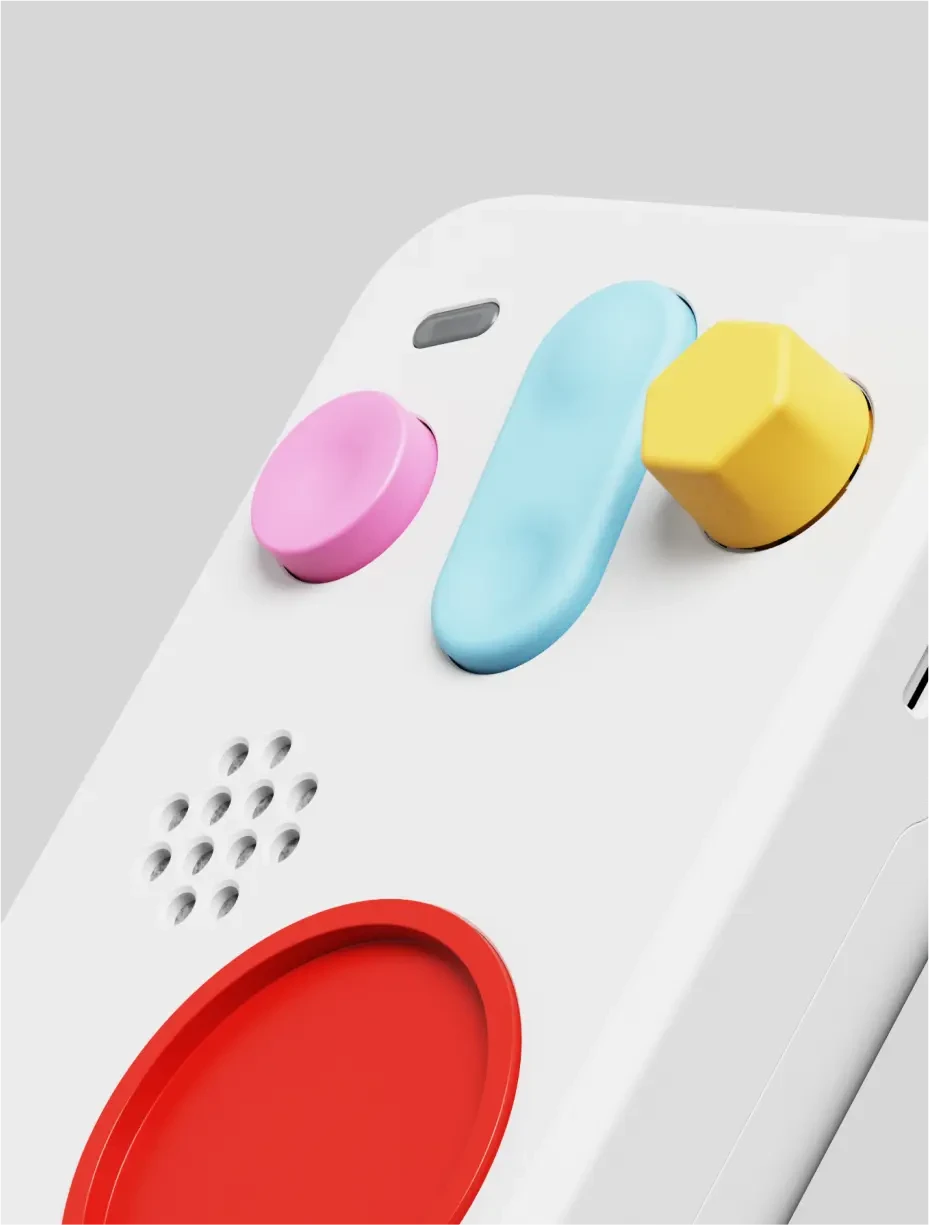
Haptic design is the deliberate use of touch feedback: the click of a virtual button, the resistance of a dial, a phone's taps and pulses, the texture of a grip. It is where industrial and interaction design meet, because the same product can feel cheap or precise purely through what it does under your fingers, regardless of how it looks.
Questions
What is Haptic Design?
Haptic design is crafting the tactile feedback a product gives — through vibration, force, texture and mechanical response — so it communicates and feels right.
Why do you use Haptic Design?
Touch is the sense that tells you something is real and responding to you. A screen with good haptics feels like a physical object; a physical object with bad ones feels like a toy.
How do you use/apply Haptic Design?
Decide what each touch should mean, prototype on the actual hardware, tune intensity and timing until it disappears into the interaction, and test with people's hands not just their eyes.
When do you use Haptic Design?
For any interaction where confirmation, precision or pleasure matters — controls, notifications, gestures, and the physical parts of any product.
Who uses Haptic Design?
Industrial designers, interaction designers and hardware teams.