Mood Boards
Design Processes
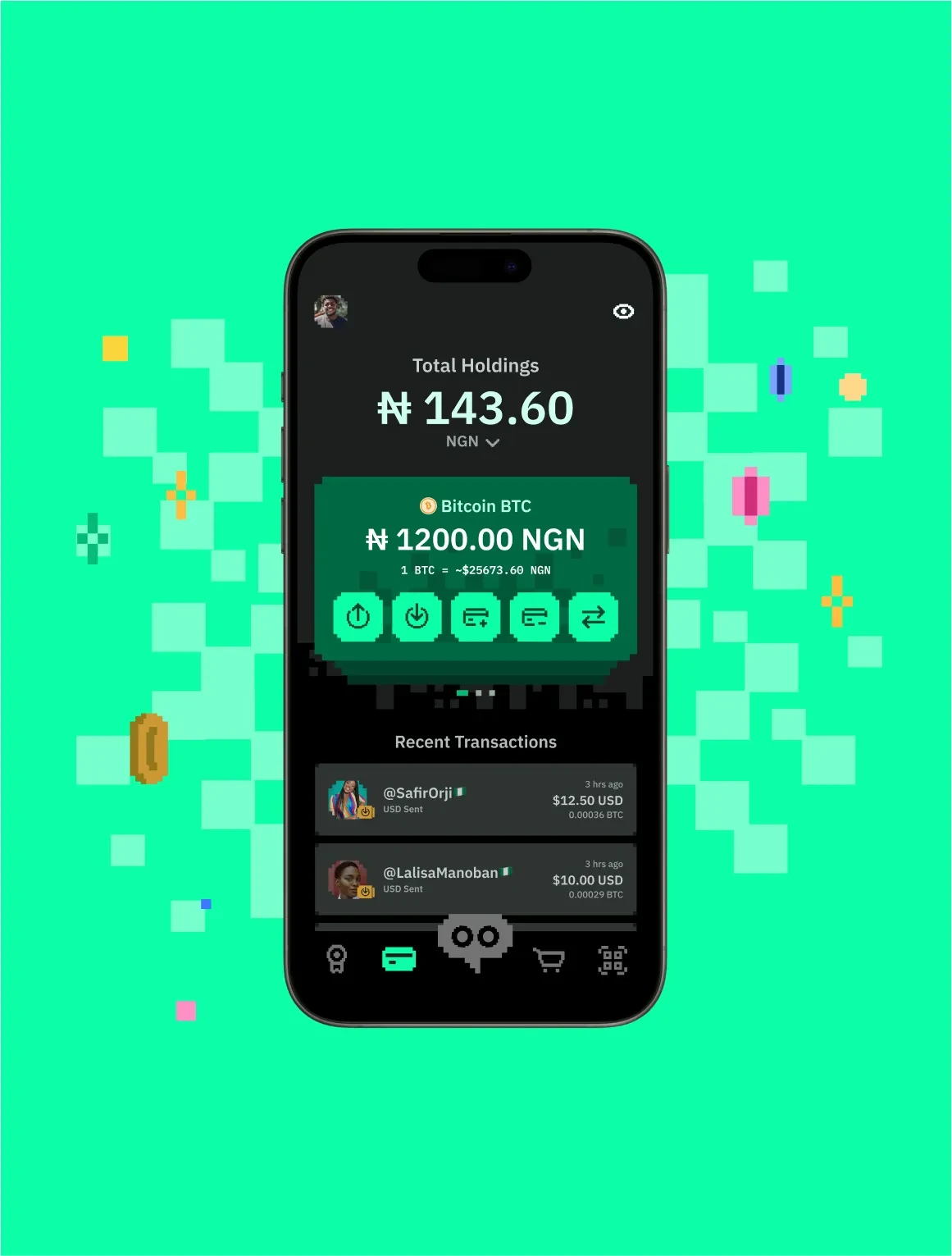
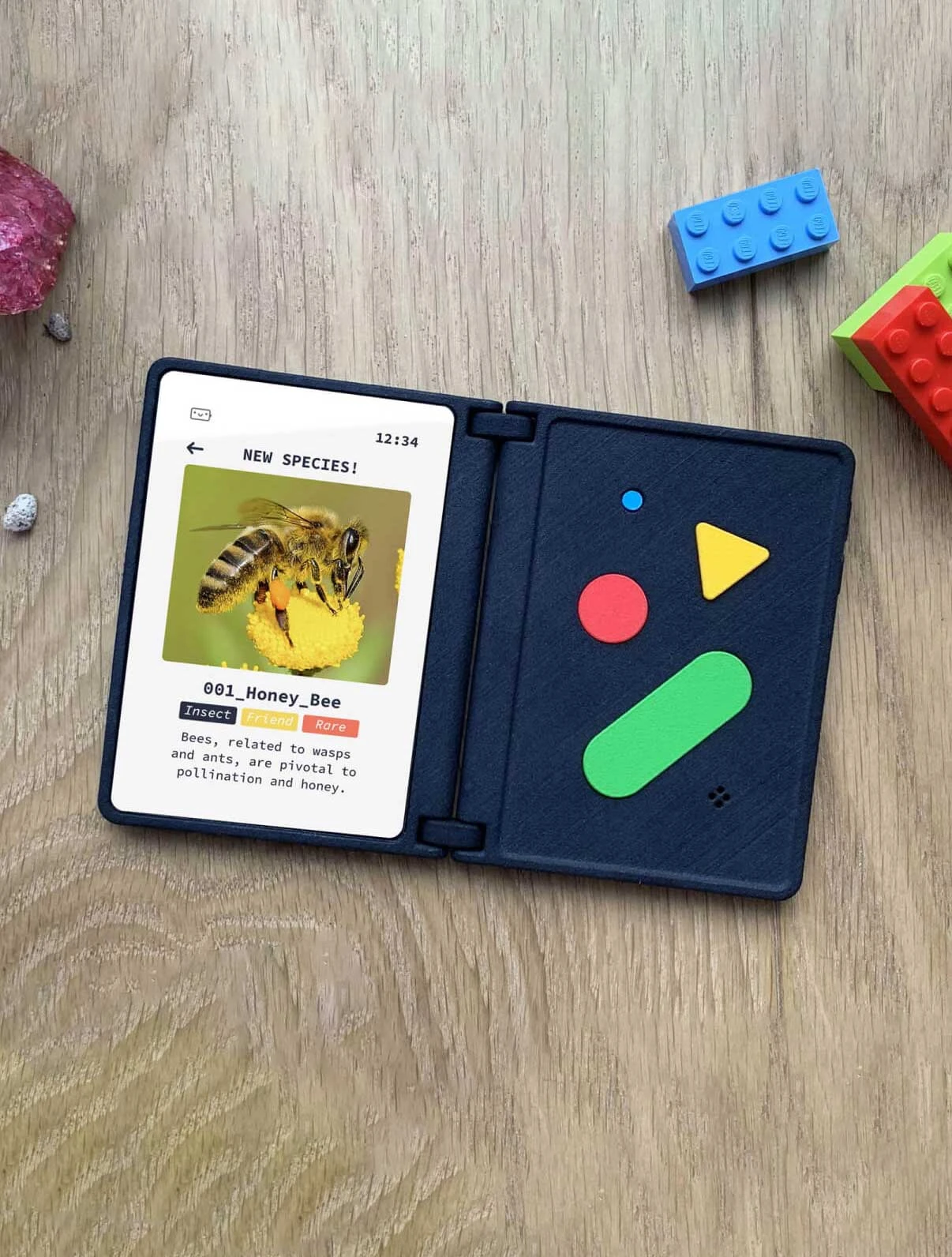
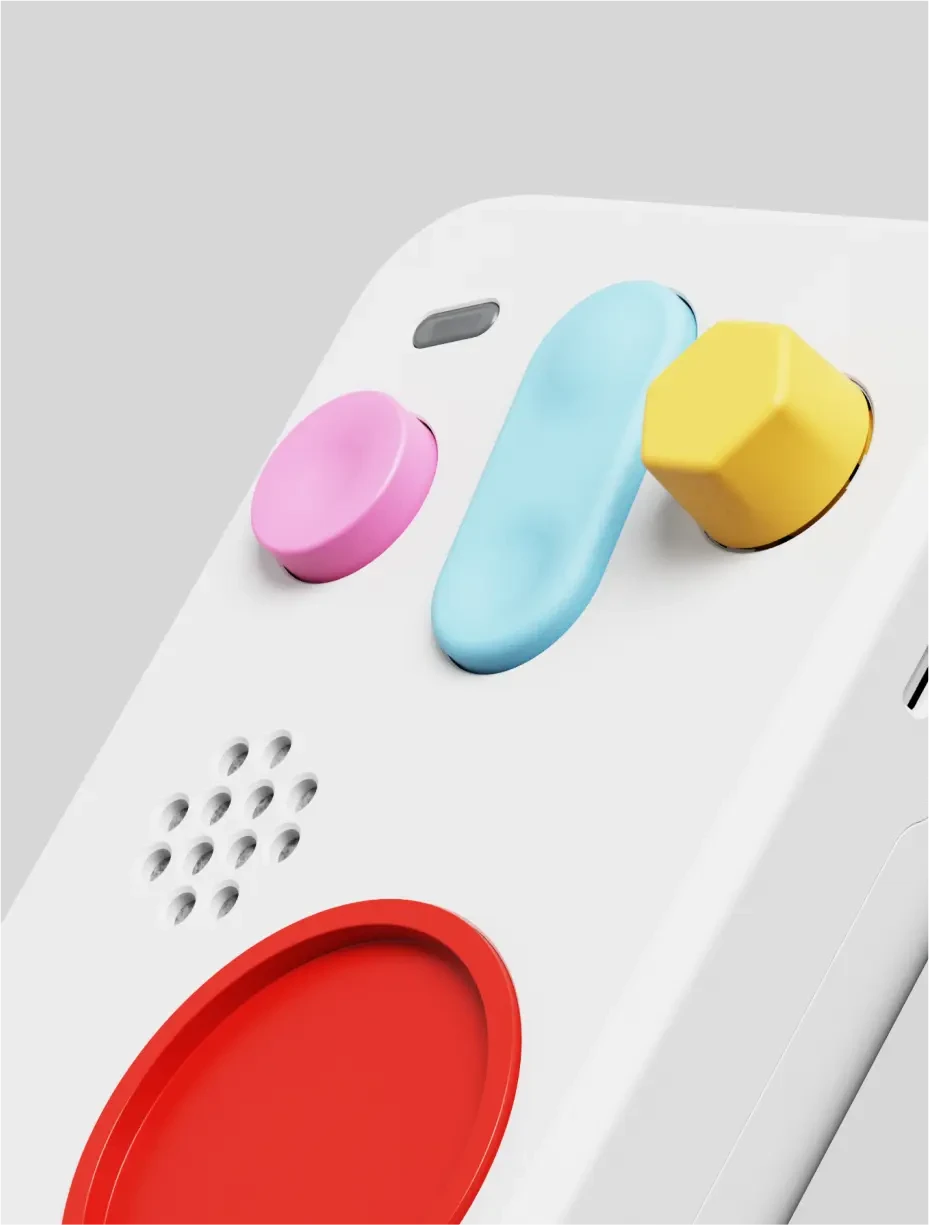
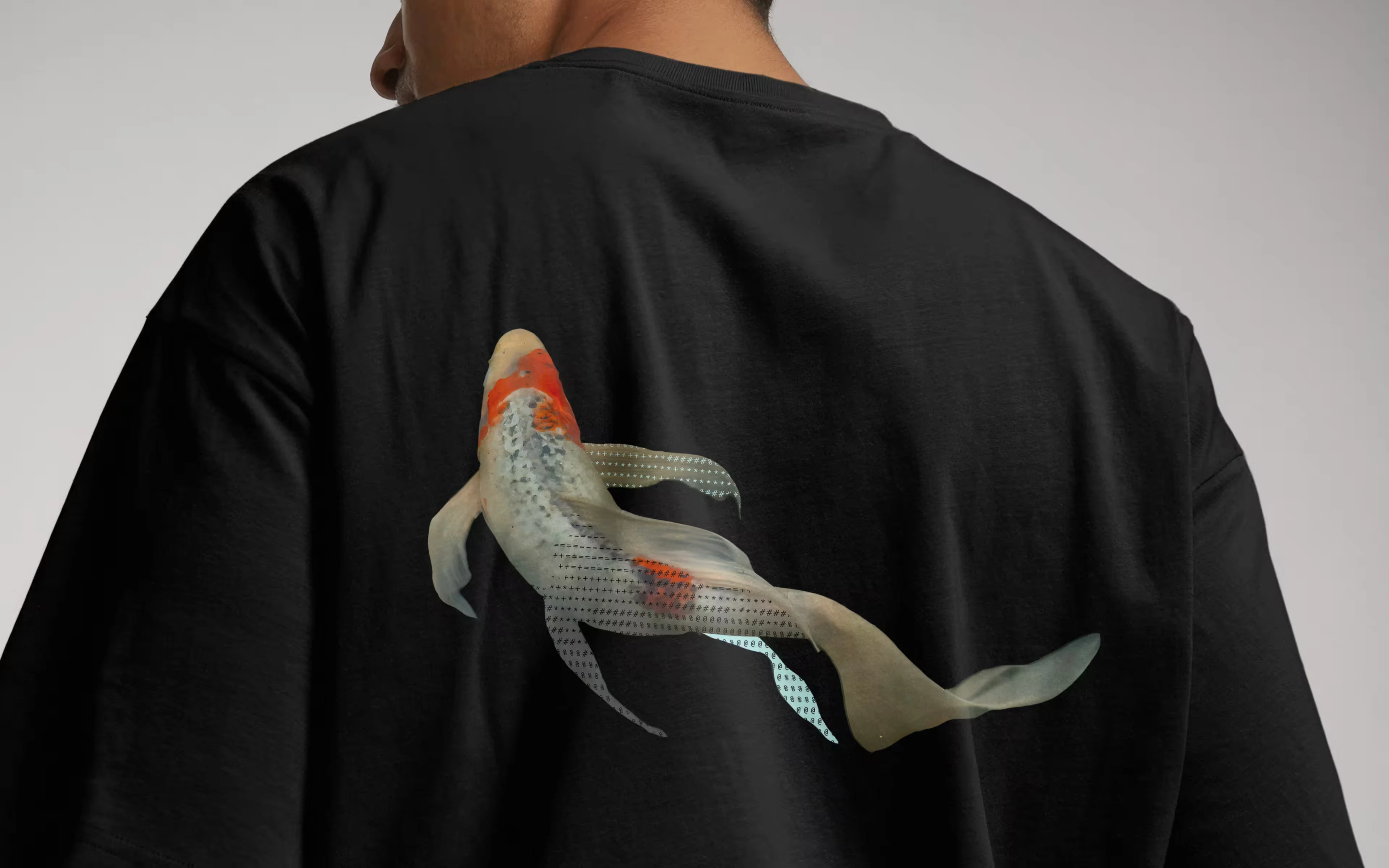
Collages of visual elements, including images, colors, and textures, to convey the intended aesthetics, mood, and style of a design. Mood boards serve as inspirational references for design teams, clients, and stakeholders, helping align expectations and visualize the desired emotional impact of a project.
In practice
Collages of images, colors, and textures used to convey the visual style and mood of a design. Mood boards are typically created during the early stages of a project for inspiration and communication. Their importance lies in setting a visual direction, aligning team members, and ensuring a shared understanding of the design aesthetic, ultimately contributing to a cohesive and visually appealing final product.
Questions
What is Mood Boards?
A mood board is a collected set of images, colours, materials and references that establishes the intended feeling of a design before any of it is drawn.
Why do you use Mood Boards?
It makes an aesthetic direction discussable early, when changing it is free, rather than after a week of work.
How do you use/apply Mood Boards?
Gather widely, then cut hard — a board of forty images says nothing. Annotate why each reference is there.
When do you use Mood Boards?
At the start of a visual or brand direction.
Who uses Mood Boards?
Designers of every discipline, with clients and stakeholders.