Critical Design
Design Futures/Fiction
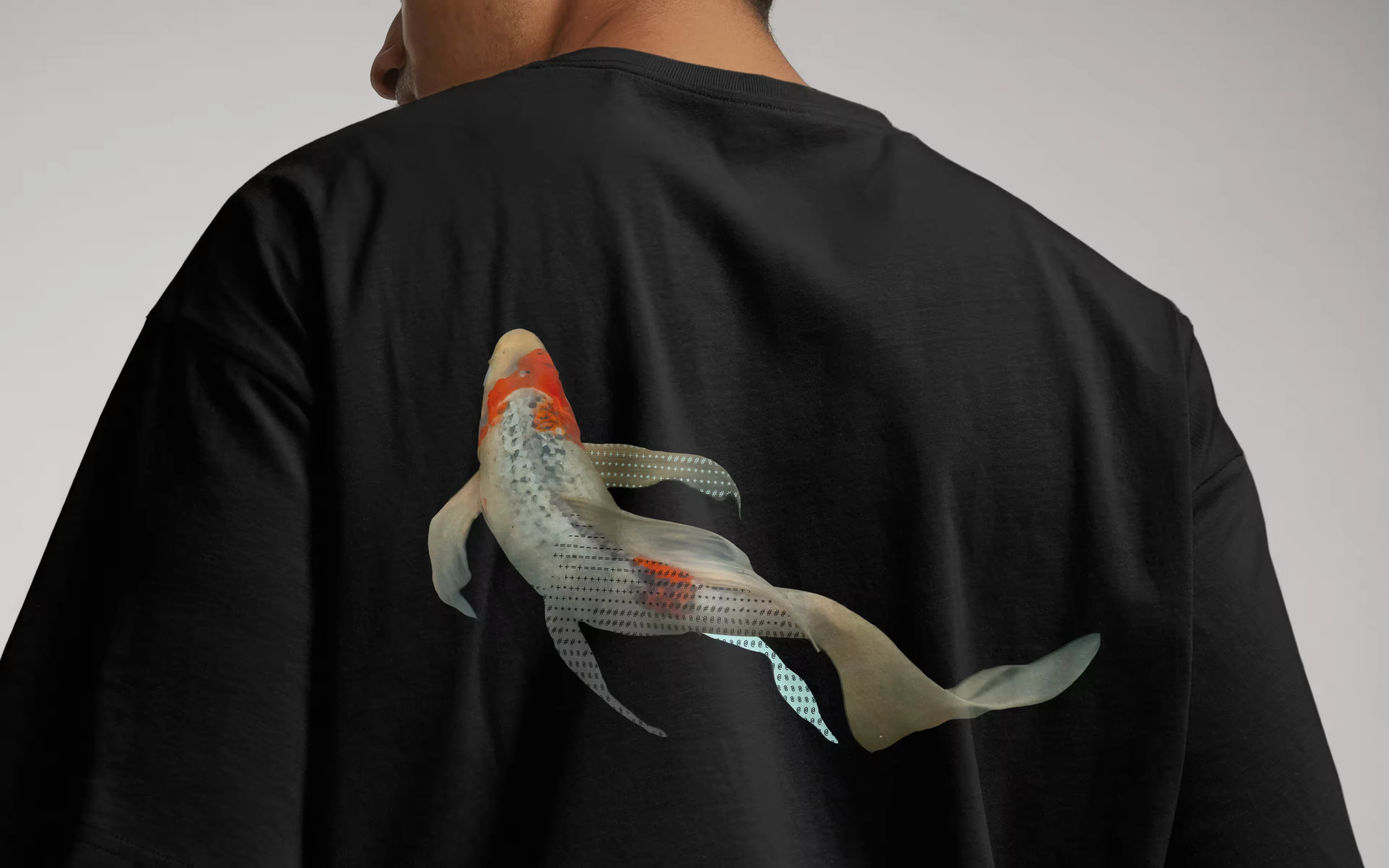
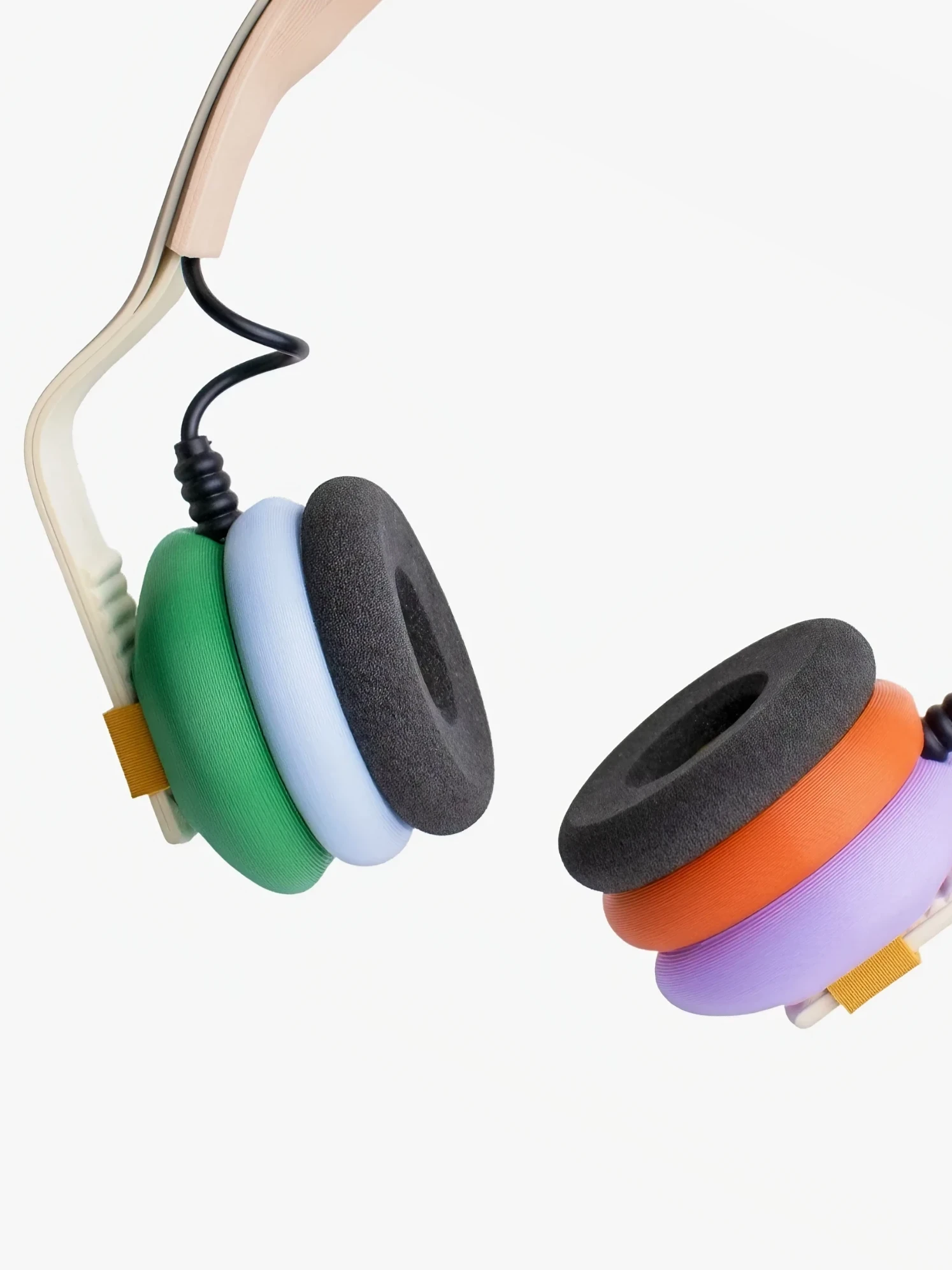
A form of design practice that uses design artifacts and interventions to critique and provoke discussion about societal, cultural, and technological issues. Critical design often challenges established norms and assumptions.
In practice
In speculative design, critical design involves the creation of thought-provoking and challenging design interventions that question existing norms, values, and societal structures. Designers engaging in critical design aim to provoke critical thinking, reflection, and dialogue about the ethical, social, and cultural implications of design decisions, encouraging a deeper examination of the role of design in shaping individuals' experiences and societal dynamics.
Questions
What is Critical Design?
Critical design uses designed objects to question the assumptions behind mainstream technology, rather than to solve a problem or sell anything.
Why do you use Critical Design?
It makes the values embedded in ordinary products visible by proposing alternatives that take a different position deliberately.
How do you use/apply Critical Design?
Design a functional, plausible artefact that embodies an uncomfortable premise, then present it seriously enough that people argue with it.
When do you use Critical Design?
In research, education and exhibition contexts, and as a way to interrogate a brief before committing to it.
Who uses Critical Design?
Critical and speculative designers, academics and researchers.