Design for Manufacture (DFM)
Design Processes
Designing a part so it can actually be made well, cheaply and repeatedly.
In practice
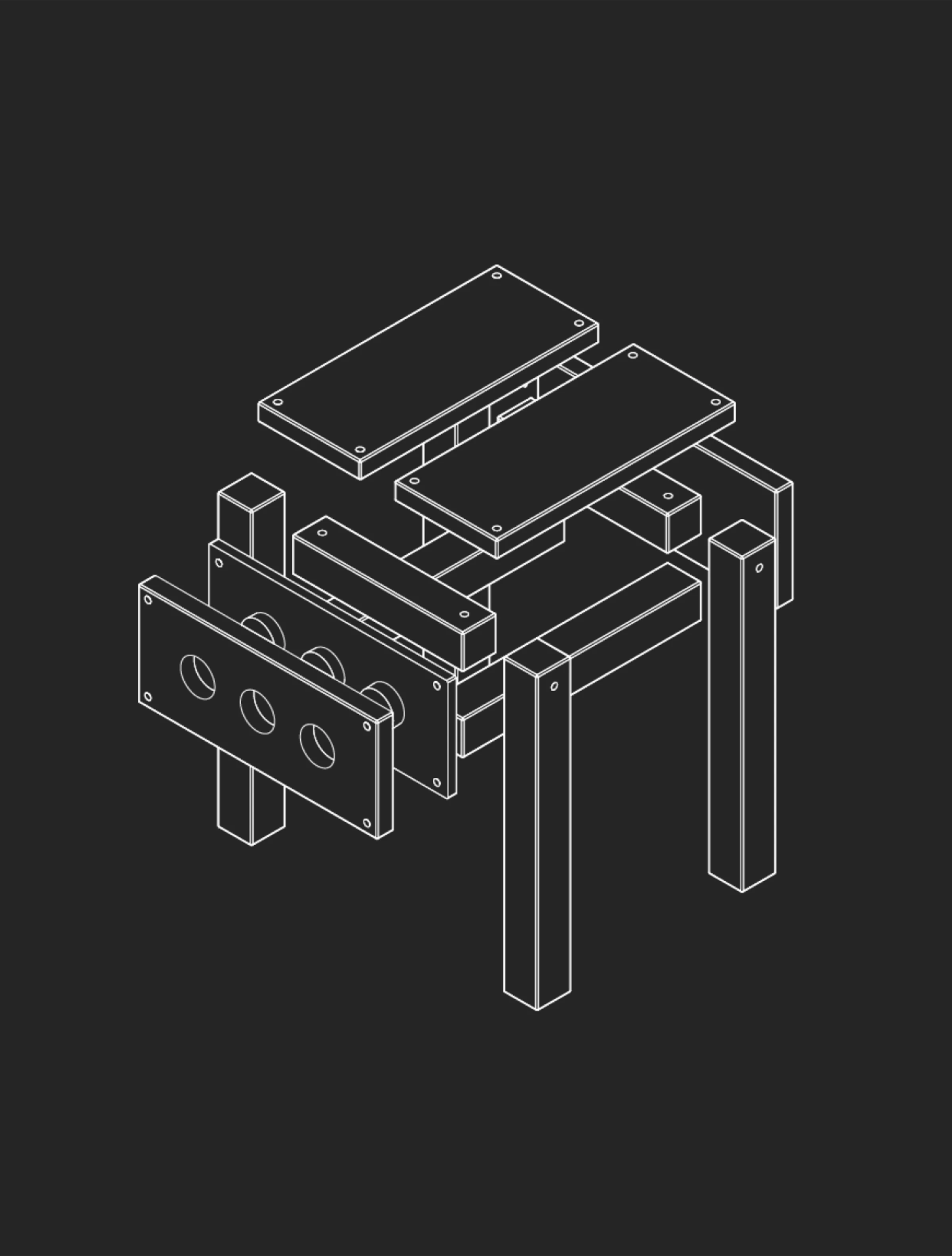
Design for manufacture is the practice of shaping a design around the realities of its production process from the start — draft angles for moulding, tolerances a machine can hold, wall thicknesses that fill, features a tool can reach — rather than designing an ideal and discovering later it cannot be built. Good DFM is invisible; bad DFM is a redesign at the tooling stage.
Questions
What is Design for Manufacture (DFM)?
DFM is designing components and products with the capabilities and constraints of the intended manufacturing process built in, to reduce cost, defects and rework.
Why do you use Design for Manufacture (DFM)?
Most manufacturing cost is locked in by design decisions. Changing a drawing is cheap; changing a mould is not.
How do you use/apply Design for Manufacture (DFM)?
Choose the process early, learn its rules, review the design against them with the manufacturer, simplify wherever possible, and prototype in the production process before committing.
When do you use Design for Manufacture (DFM)?
From the first serious CAD model — and formally, before any tooling is ordered.
Who uses Design for Manufacture (DFM)?
Industrial designers, mechanical engineers and manufacturing partners together.