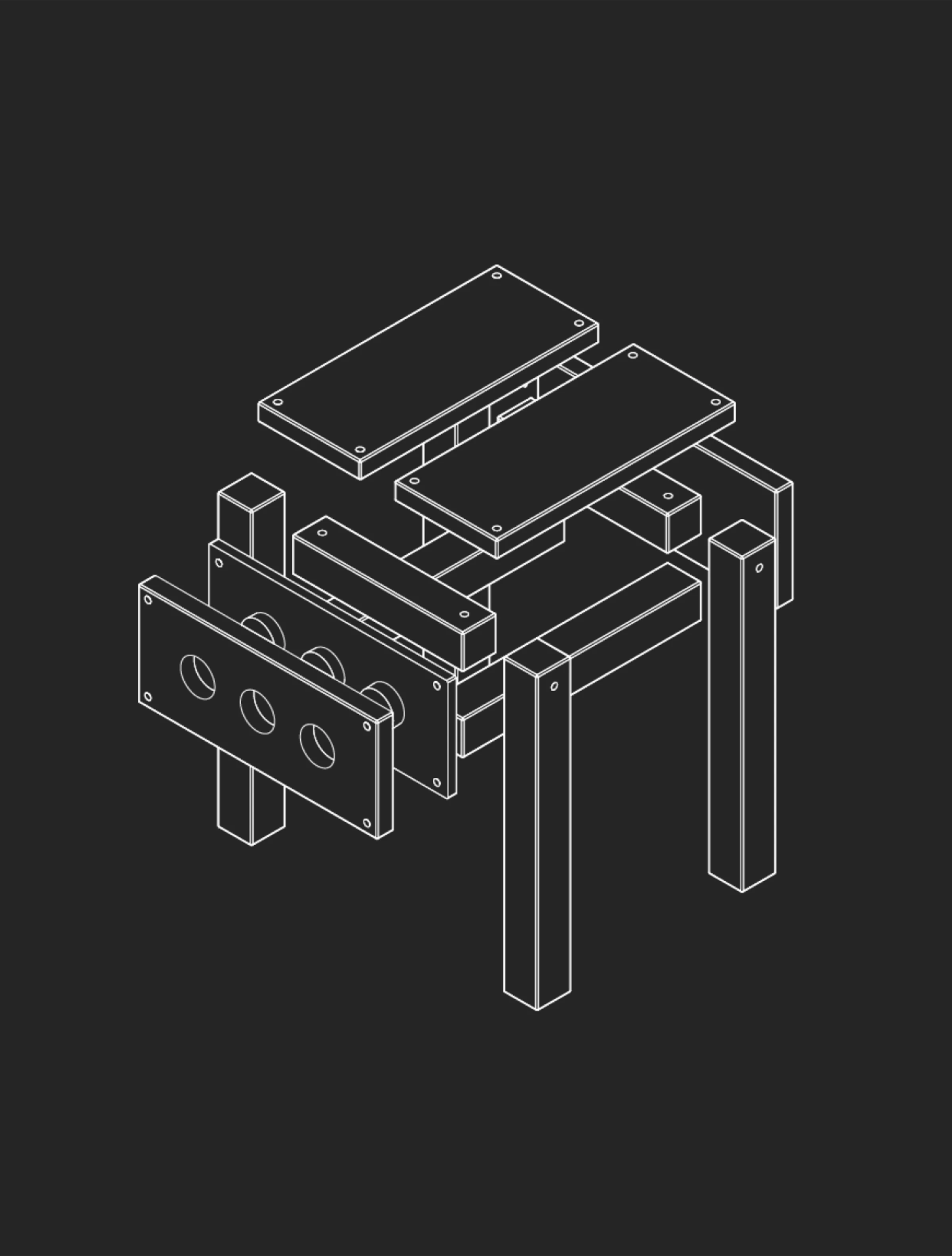
Design Standards
Design Processes
Accepted criteria or specifications used to measure and assess the quality and performance of a design. Design standards contribute to uniformity and best practices.
In practice
Refer to established criteria and specifications that guide the design process. Design standards are relevant at all stages, ensuring consistency and quality. Their importance lies in promoting uniformity, streamlining decision-making, and facilitating collaboration by providing a shared set of criteria. Design standards contribute to the creation of designs that meet established benchmarks and adhere to predefined specifications, fostering a cohesive and standardized design language.
Questions
What is Design Standards?
Design standards are the formal, often externally defined requirements a design must meet — accessibility levels, safety ratings, regulatory approval.
Why do you use Design Standards?
They are not optional and they are expensive to retrofit. A product that fails certification cannot ship, however good it looks.
How do you use/apply Design Standards?
Identify which standards apply before designing, design to them, and build evidence of compliance as you go rather than reconstructing it later.
When do you use Design Standards?
From the first concept, and verified before production or launch.
Who uses Design Standards?
Designers and engineers, with compliance and regulatory specialists.