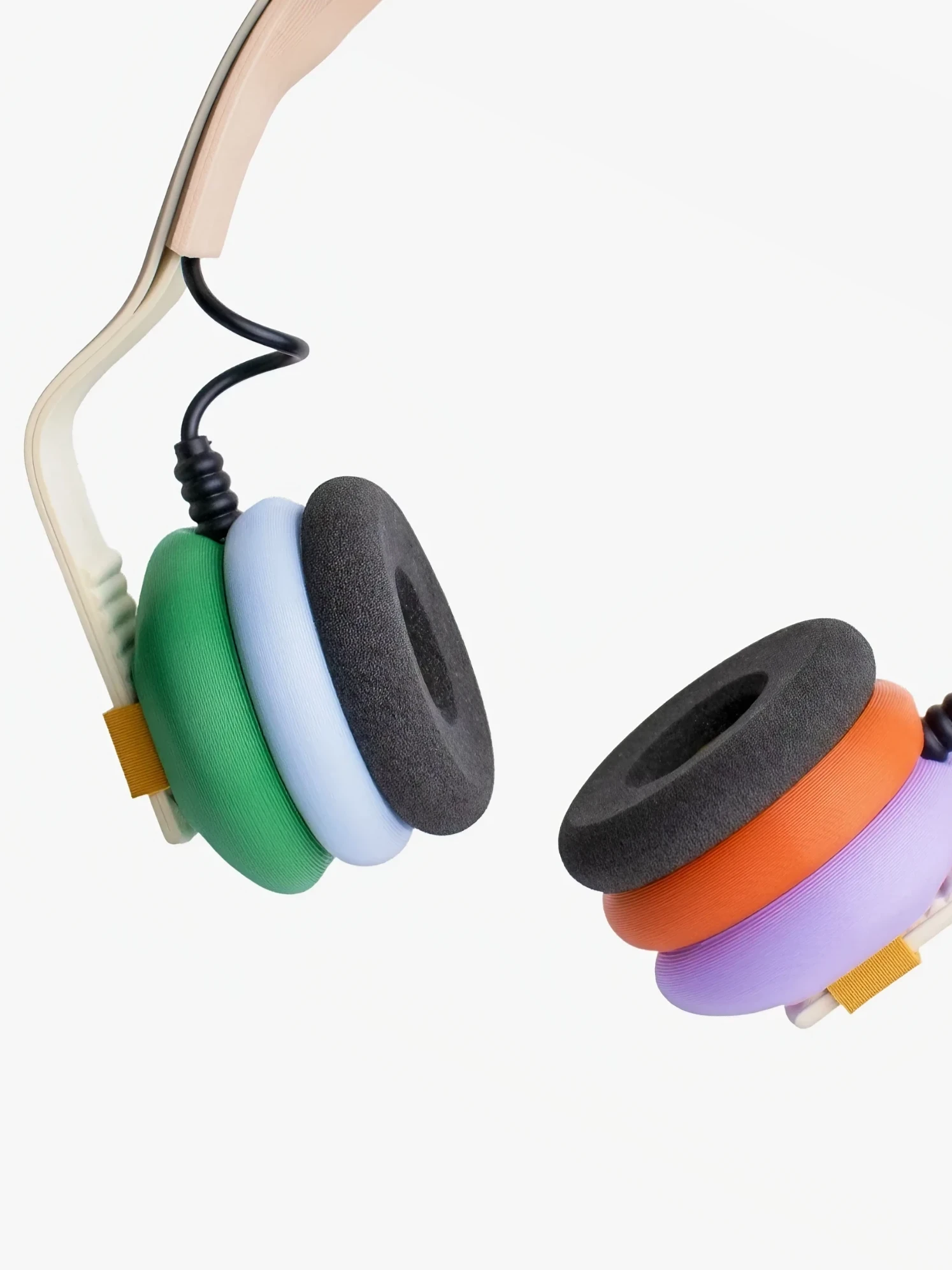
DFA (Design for Assembly)
Design Processes
Designing products with ease of assembly in mind.
In practice
In product design, Design for Assembly (DFA) focuses on optimizing product designs to simplify the assembly process. DFA principles aim to reduce the number of components, minimize assembly time, and enhance overall product efficiency. By considering ease of assembly during the design phase, DFA contributes to cost reduction, improved product quality, and streamlined manufacturing processes, benefiting both manufacturers and end-users.
Questions
What is DFA (Design for Assembly)?
Design for assembly is designing a product so it can be put together quickly, reliably and in as few steps as possible.
Why do you use DFA (Design for Assembly)?
Assembly is usually the largest labour cost in a manufactured product, and every extra fastener is another chance to get it wrong.
How do you use/apply DFA (Design for Assembly)?
Reduce the part count, make parts self-locating, assemble from one direction where you can, and design so a part cannot be fitted the wrong way round.
When do you use DFA (Design for Assembly)?
During detailed design, while changing the geometry is still cheap.
Who uses DFA (Design for Assembly)?
Industrial and mechanical designers, working with manufacturing engineers.