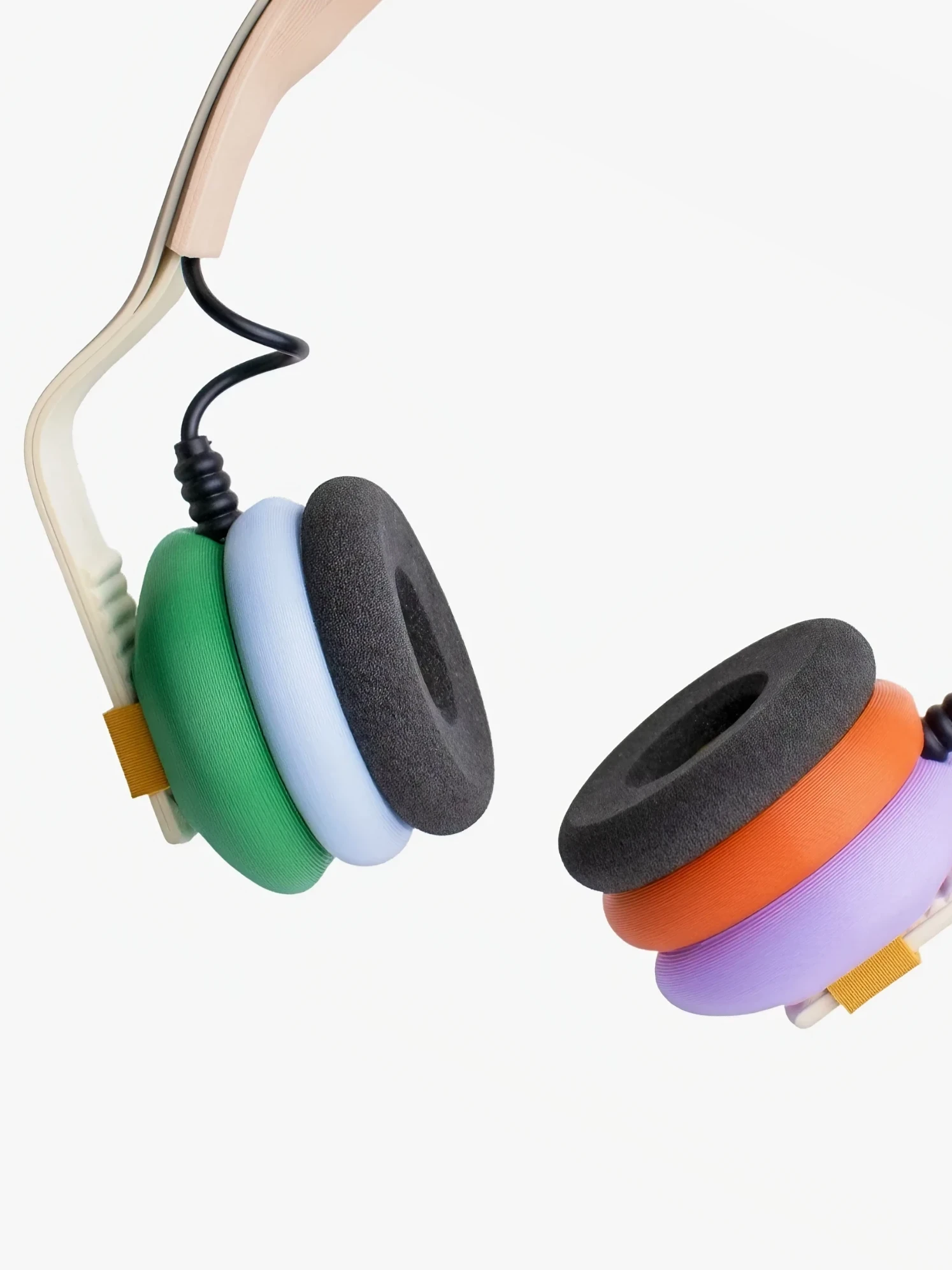
DFMEA (Design Failure Modes and Effects Analysis)
Design Processes
Analyzing potential failure modes in a design.
In practice
In the early stages of product development, designers and engineers conduct Design Failure Modes and Effects Analysis (DFMEA) to identify and mitigate potential failure modes and their effects on a product's performance. DFMEA involves systematically assessing risks, determining their impact, and implementing preventive measures to enhance product reliability and safety. DFMEA is a critical component of the design process, providing a structured approach to addressing potential issues and ensuring the overall quality and dependability of the final product.
Questions
What is DFMEA (Design Failure Modes and Effects Analysis)?
DFMEA is a structured review that lists every way a design could fail, how likely and how serious each failure is, and what the design does about it.
Why do you use DFMEA (Design Failure Modes and Effects Analysis)?
It forces a team to think about failure while it is still cheap to fix, rather than after a recall.
How do you use/apply DFMEA (Design Failure Modes and Effects Analysis)?
Break the design into functions, list the failure modes for each, score severity, likelihood and detectability, and act on the highest numbers first.
When do you use DFMEA (Design Failure Modes and Effects Analysis)?
During detailed design, before verification testing, and revisited after any significant change.
Who uses DFMEA (Design Failure Modes and Effects Analysis)?
Design and quality engineers, with input from manufacturing and service.