Iterative Design
Design Processes
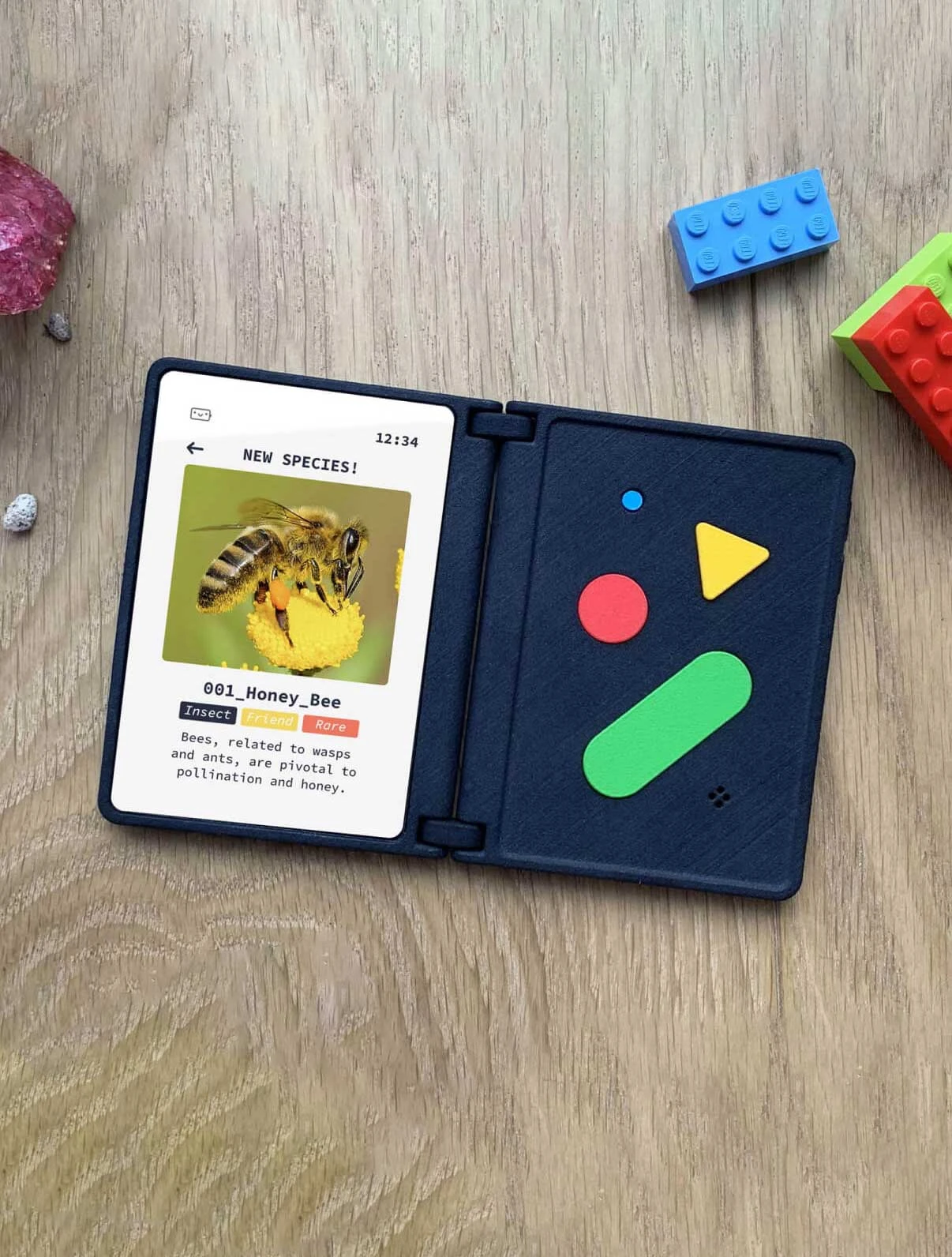
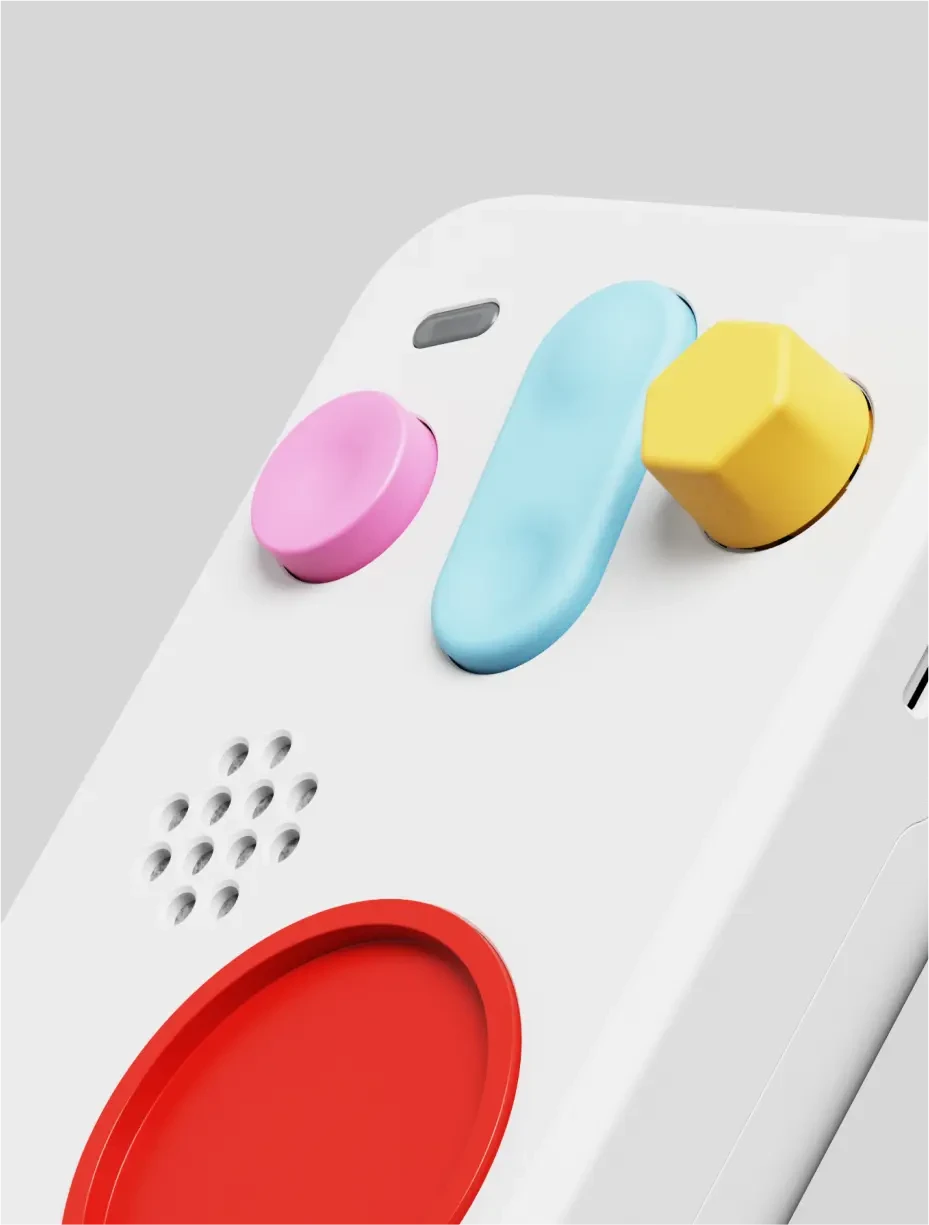
An ongoing design process that involves repetitive cycles of prototyping, testing, and refining to continuously enhance and optimize the final product. This approach allows designers to respond to feedback, iterate quickly, and make improvements based on user insights and evolving requirements.
In practice
Involves repeating and refining the design process based on feedback and testing to continuously improve the final outcome. The iterative design process is essential throughout the design journey, enabling designers to learn from each cycle, address potential issues, and enhance the overall quality of the final design.
Questions
What is Iterative Design?
Iterative design repeats a cycle of designing, testing and refining, each pass improving on what the last one revealed.
Why do you use Iterative Design?
No first attempt is right. Iteration is the mechanism by which a design becomes correct rather than merely finished.
How do you use/apply Iterative Design?
Keep the loops short and the changes small enough to attribute. A cycle that changes twenty things teaches nothing about any of them.
When do you use Iterative Design?
Throughout a project, and continuously after launch.
Who uses Iterative Design?
Every design discipline.