Gamification
Design Processes
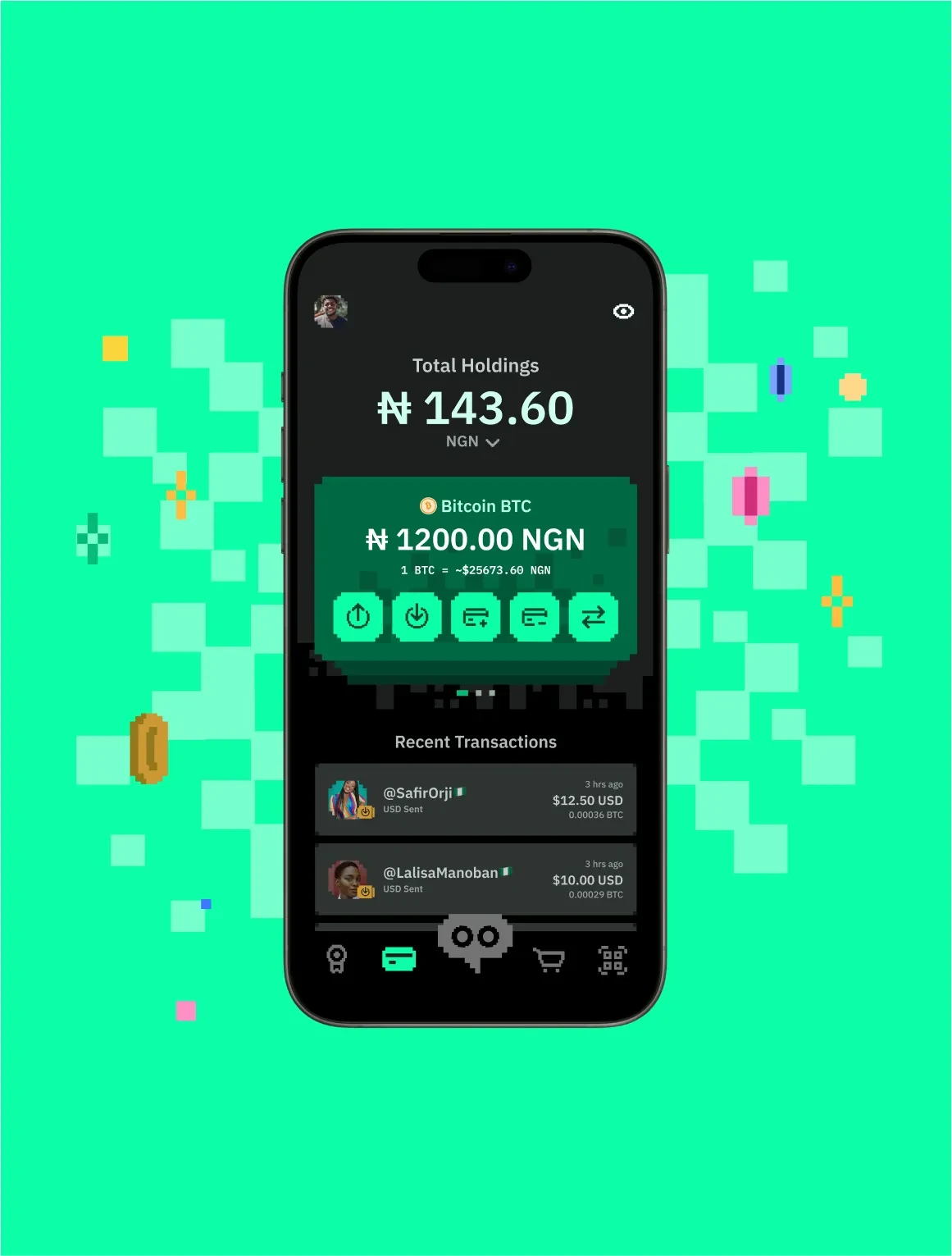
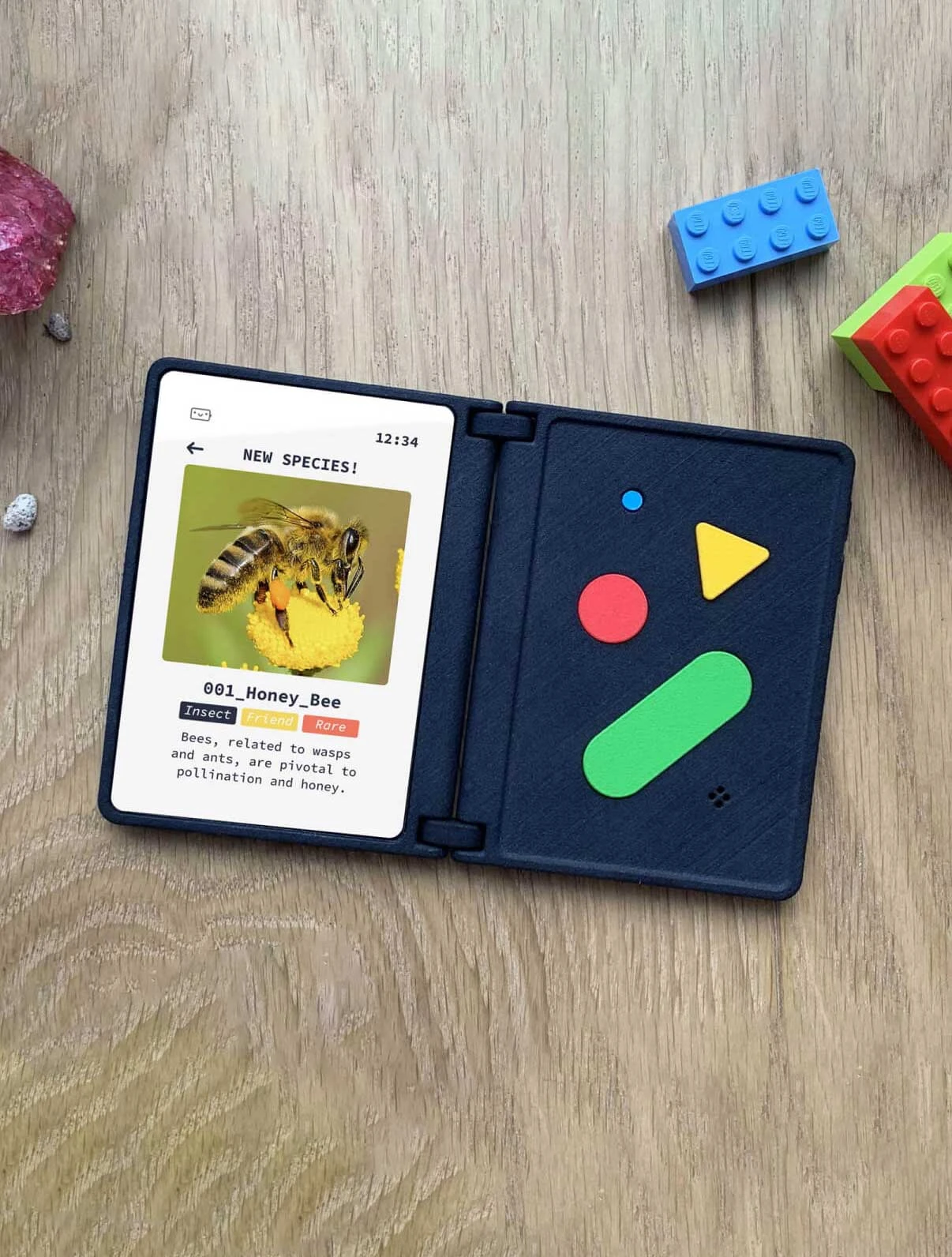
Incorporating game elements, such as points, rewards, or competitions, into non-game contexts to enhance user engagement and motivation. Gamification is used to make tasks more enjoyable, encourage user participation, and drive desired behaviors, fostering a sense of achievement and progression.
In practice
Integrates game elements, such as points or rewards, into a non-game context to enhance user engagement. Gamification is employed to create immersive and enjoyable experiences, often used in digital interfaces, apps, or e-learning platforms. Its importance lies in motivating users, fostering participation, and enhancing the overall user experience by making interactions more enjoyable and encouraging continued engagement with a product or service.
Questions
What is Gamification?
Gamification applies game mechanics — points, streaks, levels, progress — to activities that are not games, to encourage particular behaviour.
Why do you use Gamification?
Used well it makes a dull but worthwhile task feel like progress. Used badly it manipulates people into behaviour that serves the product rather than them.
How do you use/apply Gamification?
Tie the mechanic to genuine progress toward the user's own goal, not to engagement for its own sake, and make it easy to ignore.
When do you use Gamification?
Where the underlying task is worth doing but the feedback is naturally slow — learning, fitness, saving.
Who uses Gamification?
Product designers, particularly in education, health and finance.