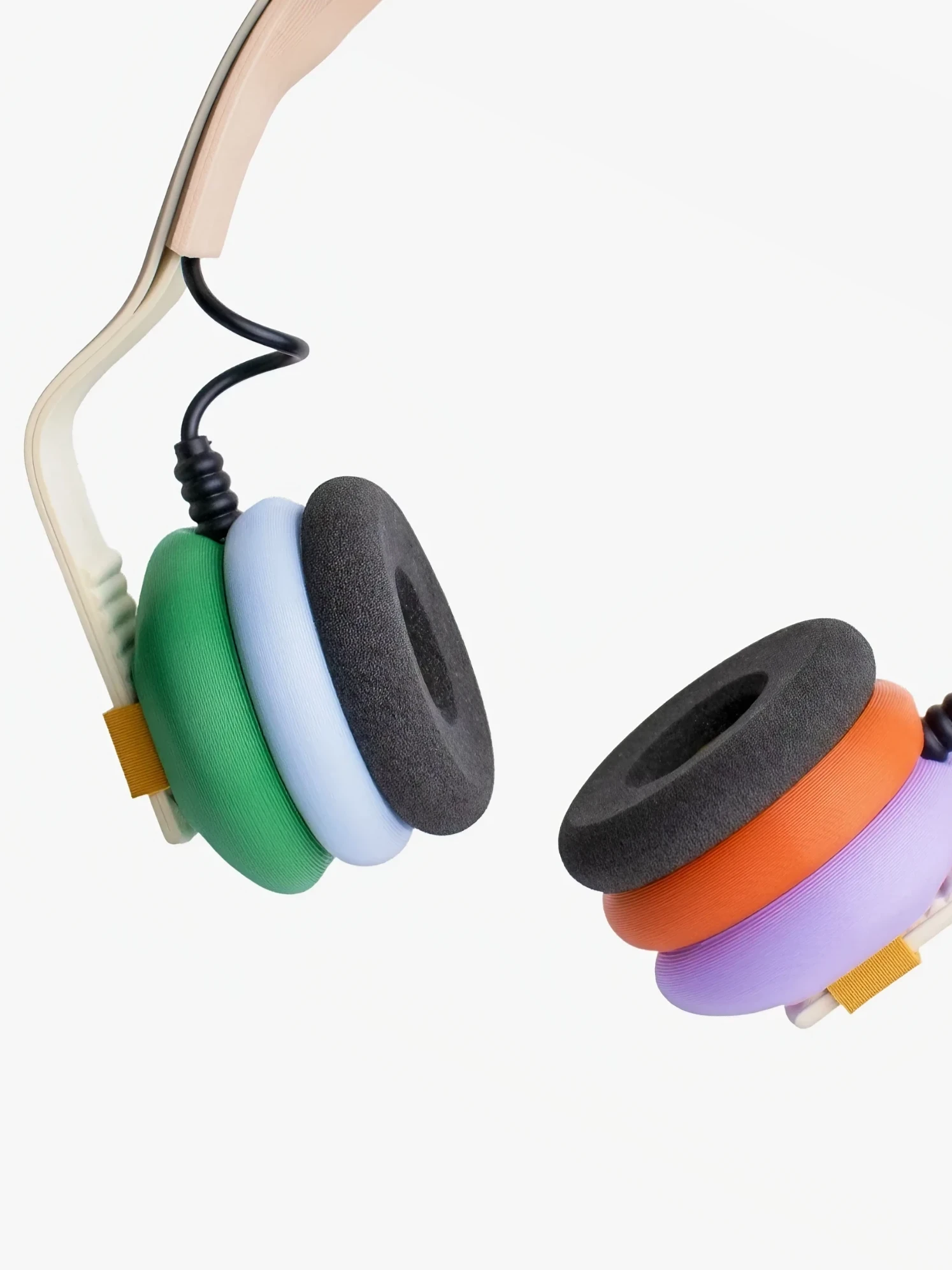
Anticipatory Design
Design Futures/Fiction
A design approach focused on creating products and services that anticipate user needs and behavior, often by incorporating elements of foresight and prediction. Anticipatory design aims to provide seamless and intuitive experiences.
In practice
Throughout the design process, anticipatory design involves creating products and experiences that proactively anticipate user needs and provide solutions before users explicitly express them. Designers leverage data, predictive algorithms, and user behavior patterns to create seamless and intuitive experiences that align with users' expectations, ultimately
Questions
What is Anticipatory Design?
Anticipatory design uses what a system already knows about someone to decide on their behalf, reducing or removing the choice entirely.
Why do you use Anticipatory Design?
Every decision costs attention. Removing the ones that do not matter leaves people with more room for the ones that do.
How do you use/apply Anticipatory Design?
Model the likely intent from behaviour and context, act on it, and always leave a visible, cheap way to undo or override.
When do you use Anticipatory Design?
When the right answer is obvious most of the time and the cost of being wrong is low. Never when being wrong is expensive or hard to reverse.
Who uses Anticipatory Design?
Product designers working on personalisation, assistants and any system with enough behavioural data to make a reasonable guess.