Speculative Design
Design Futures/Fiction
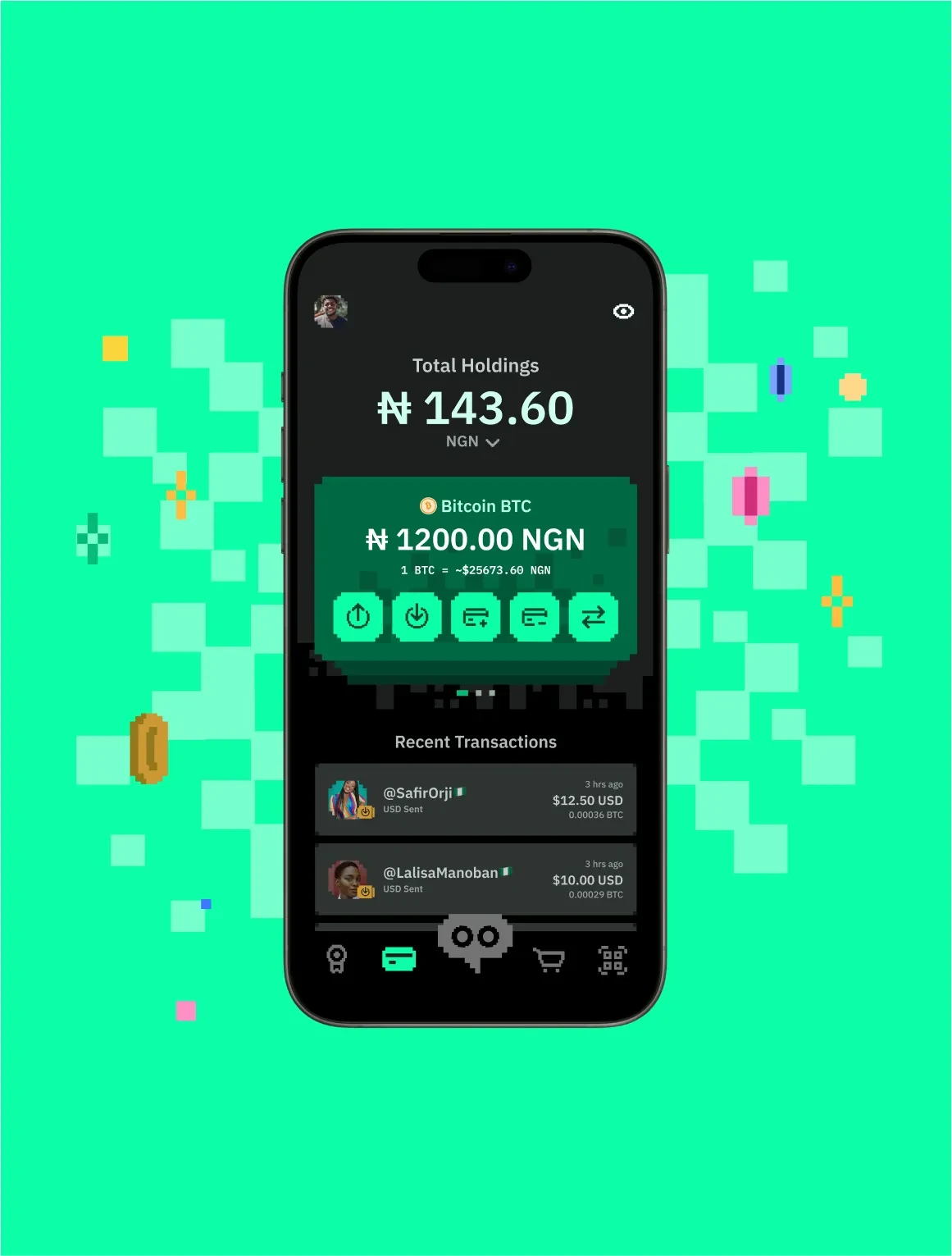
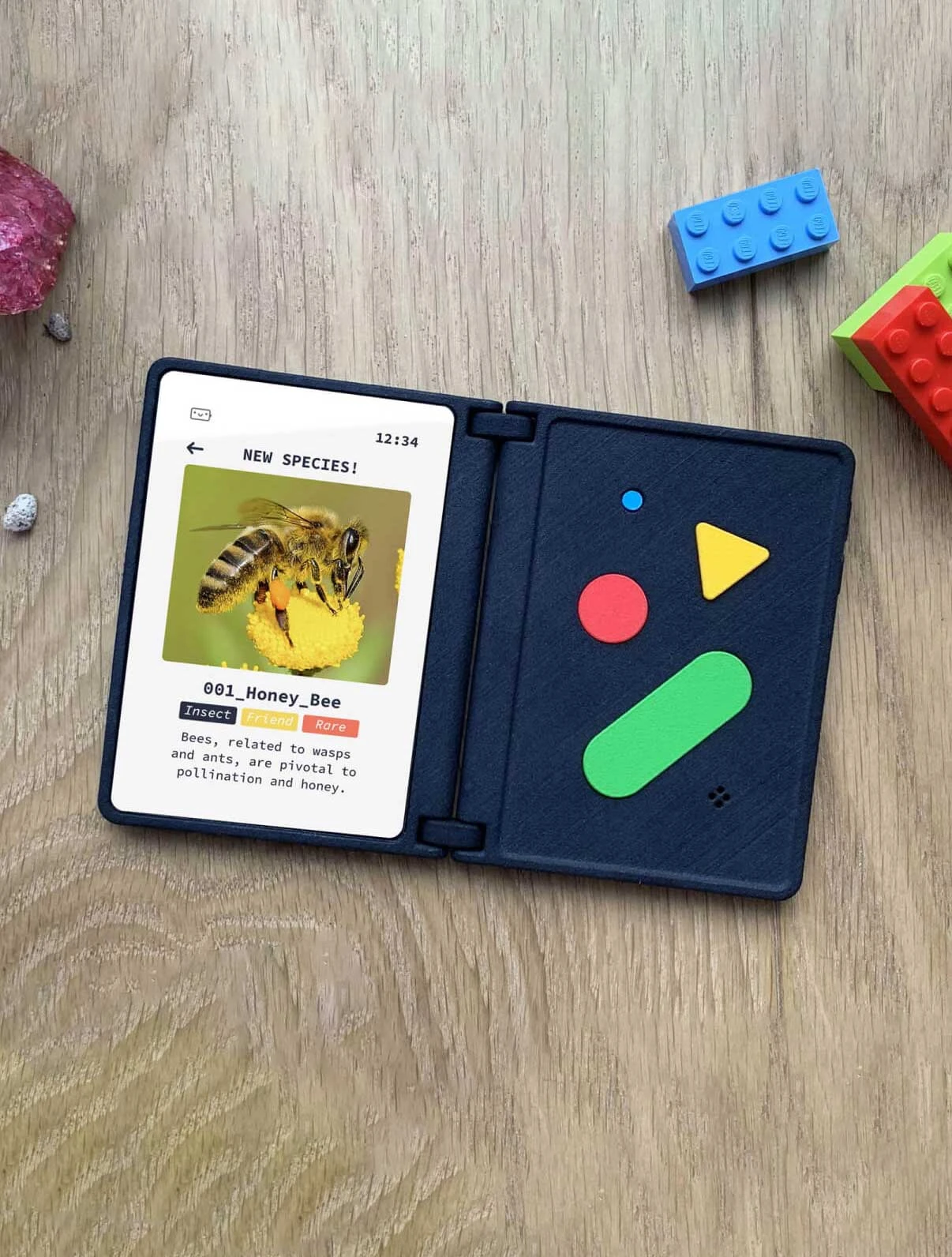
A design approach that uses speculative scenarios and provocations to explore alternative futures, challenge assumptions, and stimulate discussions about societal values and technological impacts. Speculative design often involves creating tangible artifacts or narratives.
In practice
Throughout the design process, speculative design involves envisioning and exploring alternative futures through design interventions. Designers use speculative design to challenge assumptions, question norms, and stimulate conversations about potential societal, technological, or environmental changes. This approach encourages creative thinking and the exploration of possibilities that may not conform to current expectations, fostering a deeper understanding of the complexities surrounding design decisions.
Questions
What is Speculative Design?
Speculative design creates artefacts and scenarios from possible futures in order to examine their implications, rather than to produce a product.
Why do you use Speculative Design?
It gives a way to debate the consequences of a technology before it exists, when the decisions are still open.
How do you use/apply Speculative Design?
Choose a plausible premise, follow it rigorously, and make the artefact detailed and ordinary enough to be taken seriously.
When do you use Speculative Design?
In research, strategy and public engagement.
Who uses Speculative Design?
Speculative designers, futures researchers and increasingly corporate R&D.