DFS (Design for Sustainability)
Design Processes
The broader discipline that sets a product's environmental, social and economic impact as a design constraint from the first sketch.
In practice
Throughout the design process, Design for Sustainability (DFS) focuses on integrating environmentally friendly practices and materials into product designs. DFS principles aim to minimize environmental impact, reduce resource consumption, and promote eco-friendly manufacturing processes. By considering sustainability from the initial design phase, designers contribute to creating products that align with environmental standards and address the growing need for sustainable and responsible design practices.
Questions
What is DFS (Design for Sustainability)?
Design for sustainability treats a product's environmental, social and economic impact as a design constraint from the first sketch.
Why do you use DFS (Design for Sustainability)?
Most of a product's lifetime impact is locked in at the design stage, long before anyone chooses a supplier or a shipping method.
How do you use/apply DFS (Design for Sustainability)?
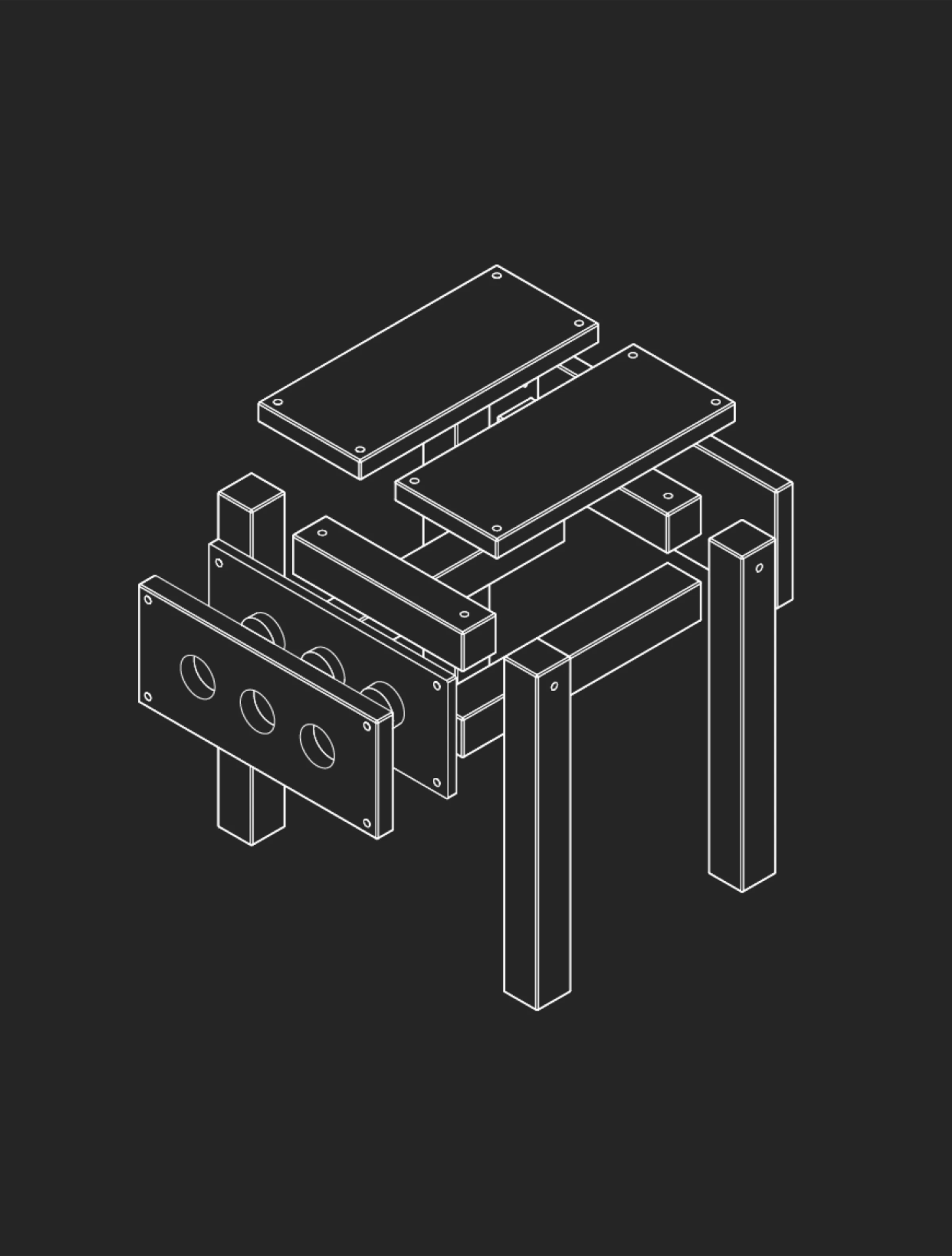
Choose materials for their whole life, design for repair and disassembly, reduce energy in use, and be honest about what the product actually replaces.
When do you use DFS (Design for Sustainability)?
At the start. Sustainability added at the end is packaging, not design.
Who uses DFS (Design for Sustainability)?
Industrial designers, materials specialists and product teams, increasingly under regulatory pressure.