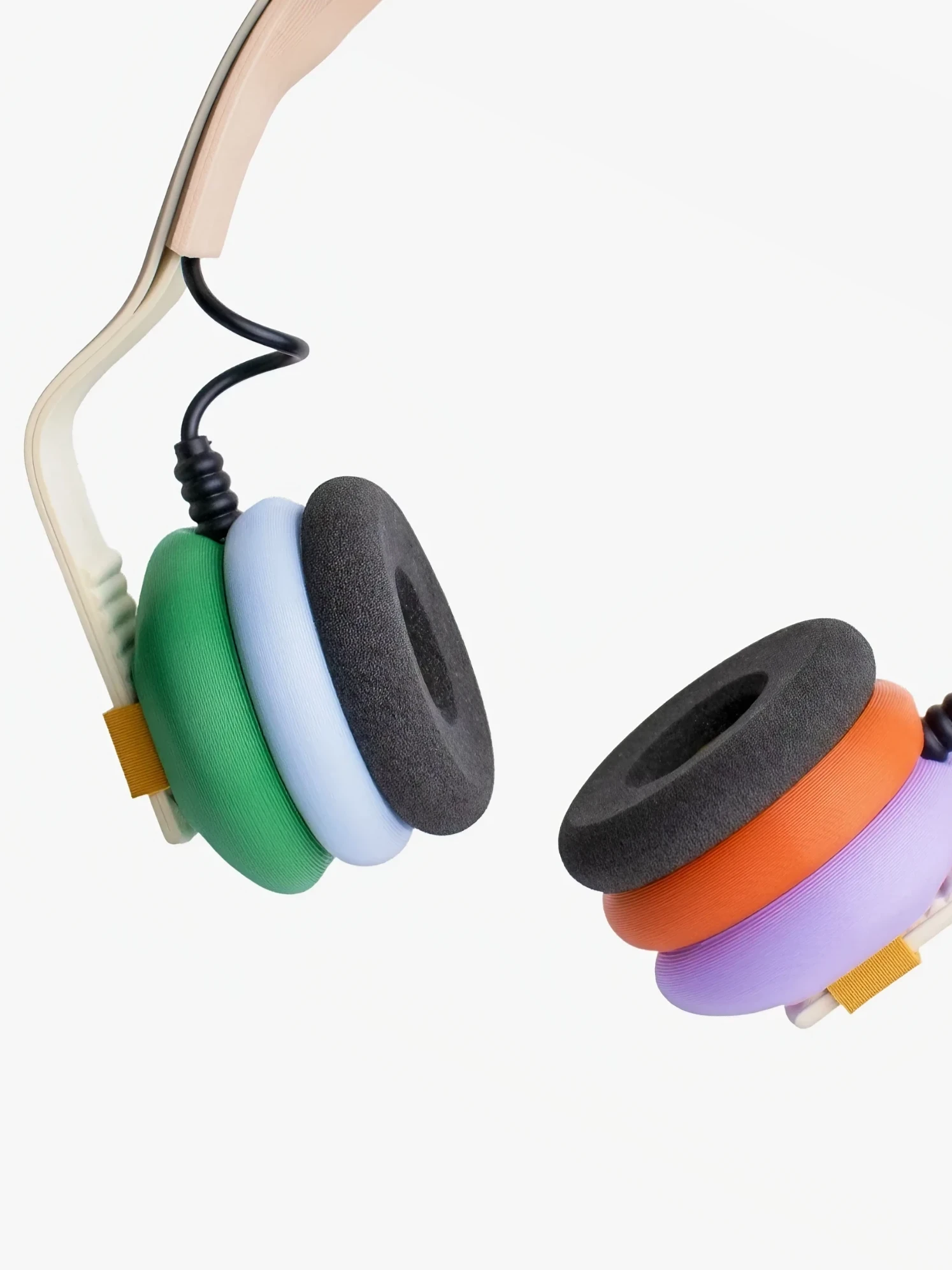
Design for Environment
Design Processes
Designing a product around its environmental impact, from the materials it is made of to what happens to it at end of life.
In practice
Design for Environment involves integrating environmentally friendly practices into the product design process. Designers consider the environmental impact of materials, production processes, and end-of-life disposal, aiming to minimize ecological footprints. By incorporating sustainability practices into the design phase, Design for Environment contributes to creating products that align with environmental standards, reducing negative impacts on ecosystems and promoting responsible and eco-conscious design practices.
Questions
What is Design for Environment?
Designing a product around its environmental impact, from the materials it is made of to what happens to it at end of life.
Why do you use Design for Environment?
Roughly the whole of a product's environmental footprint is committed during design, before any of it is manufactured.
How do you use/apply Design for Environment?
Assess the impact across the full life cycle, not just the material choice, and be honest about trade-offs: a lighter part shipped further may be worse.
When do you use Design for Environment?
At concept, when the choices that matter are still open.
Who uses Design for Environment?
Industrial designers with materials and life cycle specialists.