Design for Disassembly
Design Processes
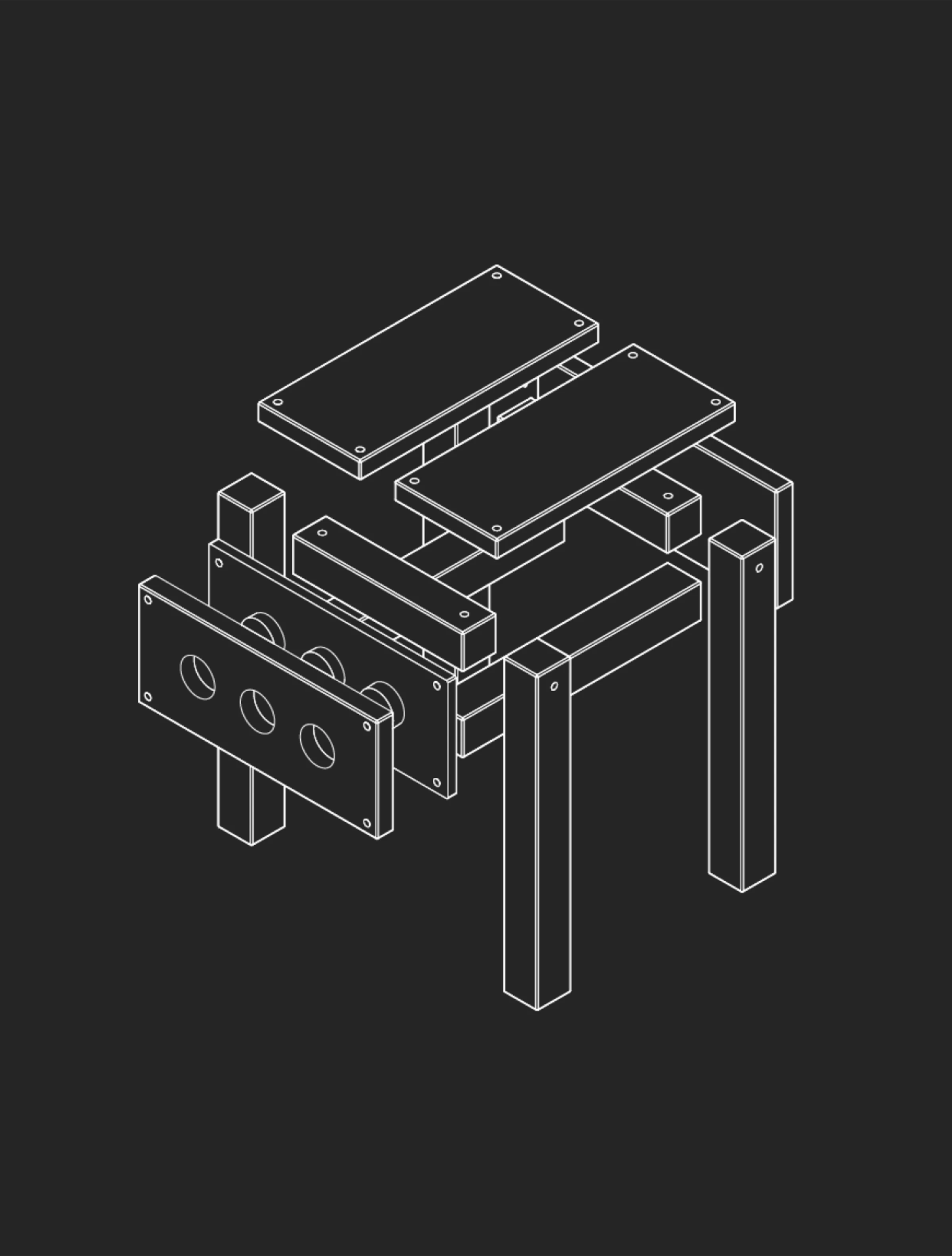
Designing products for ease of disassembly.
In practice
In product design, Design for Disassembly focuses on facilitating the efficient disassembly of products at the end of their lifecycle. By designing products with components that are easy to disassemble and recycle, designers contribute to sustainable practices and promote the circular economy. Design for Disassembly enhances the ease of recycling, reduces electronic waste, and supports responsible product lifecycle management.
Questions
What is Design for Disassembly?
Design for disassembly means designing a product so it can be taken apart cleanly at end of life, for repair, reuse or recycling.
Why do you use Design for Disassembly?
A product that cannot be opened cannot be repaired, and a product that cannot be separated into materials cannot be recycled.
How do you use/apply Design for Disassembly?
Use reversible fasteners rather than adhesive, minimise material mixing, mark materials for sorting, and make the disassembly sequence obvious.
When do you use Design for Disassembly?
During detailed design, alongside assembly.
Who uses Design for Disassembly?
Industrial designers and sustainability engineers, increasingly driven by right-to-repair regulation.