Looks-Like Prototype
Design Processes
A model that shows exactly how the product will appear, without working.
In practice
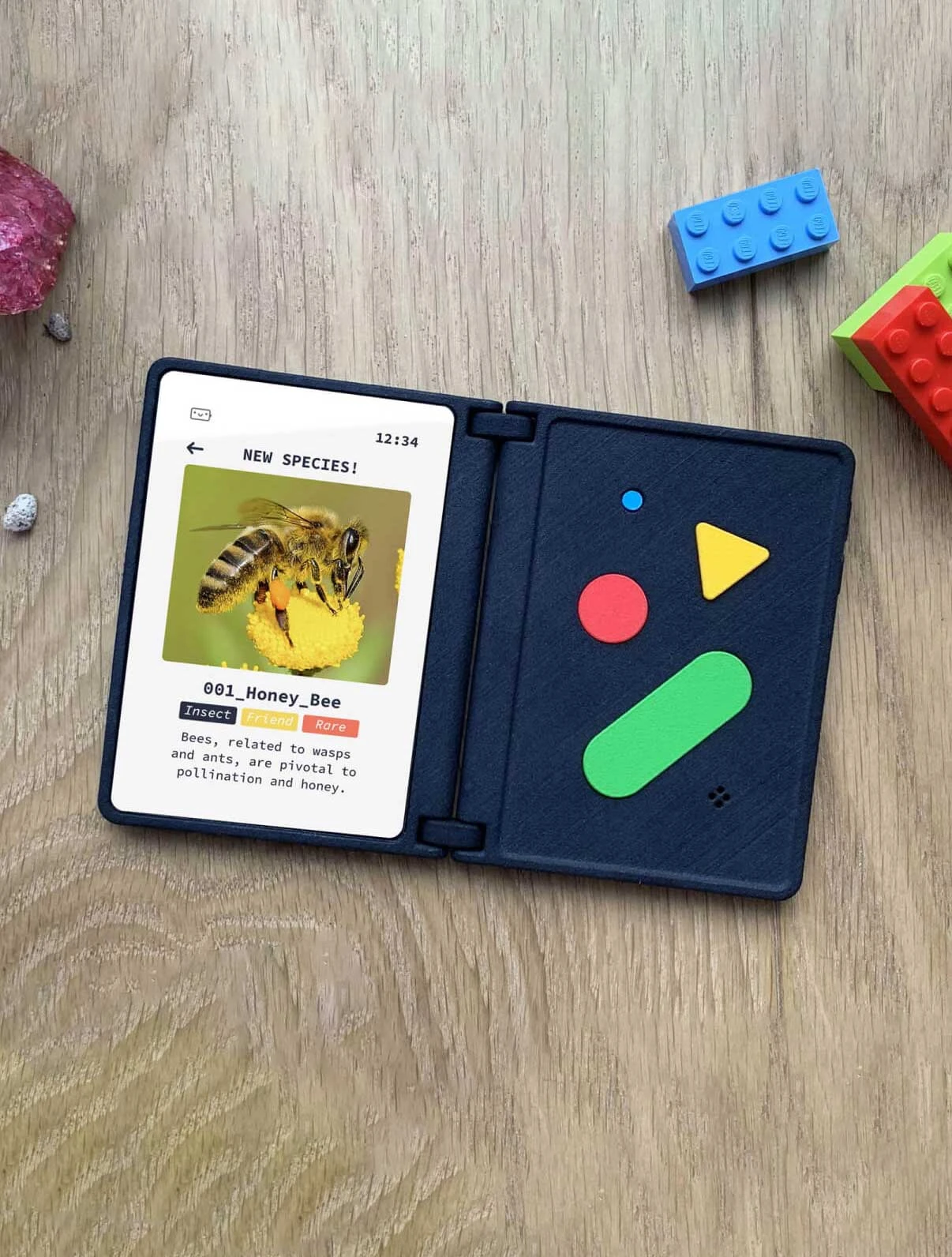
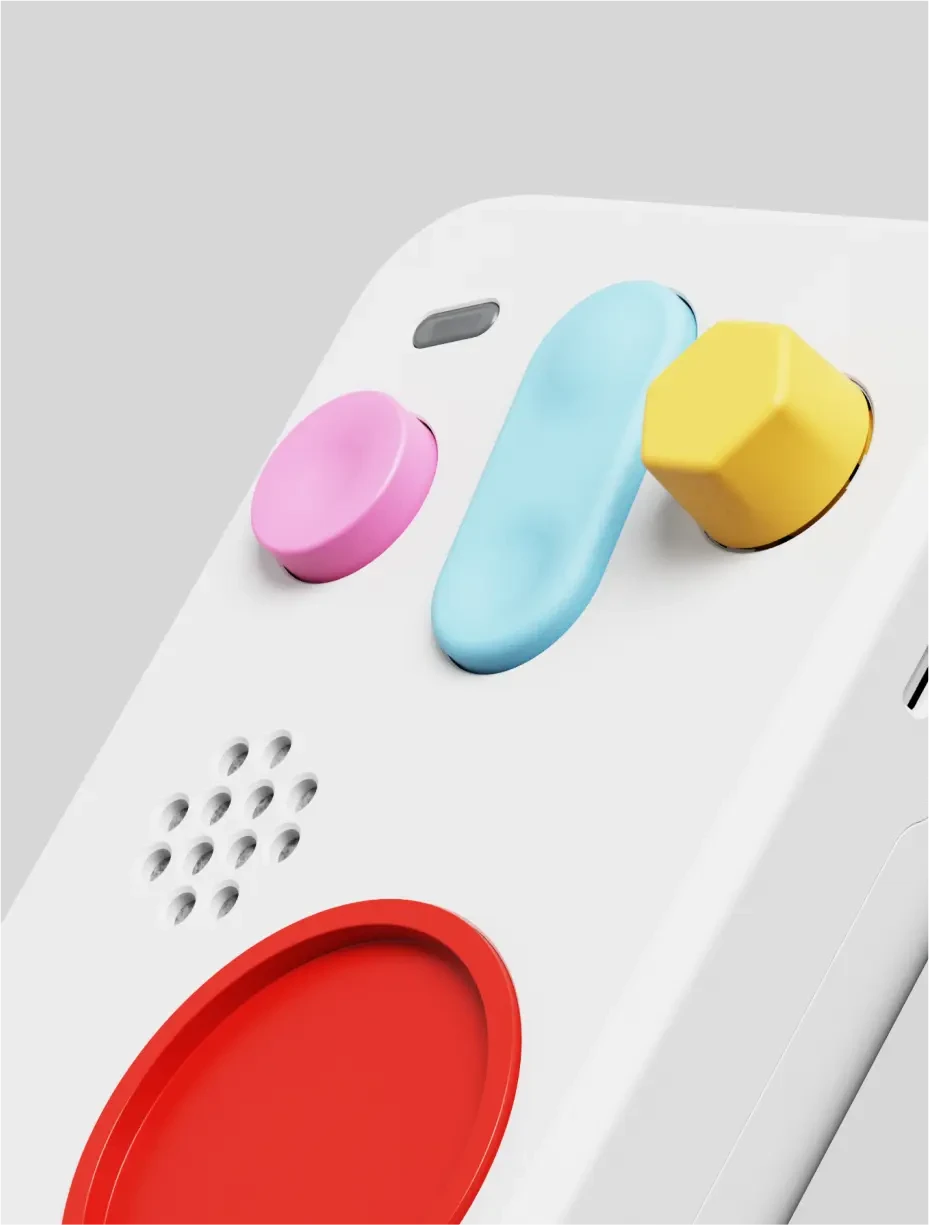
A looks-like prototype nails the visual and tactile design — form, colour, material, finish, graphics — often with no functioning internals at all. It is what you photograph, show investors, test for desirability and use to sign off appearance. Paired with a works-like prototype it lets a team validate the two hardest questions separately before merging them.
Questions
What is Looks-Like Prototype?
A looks-like prototype is an appearance model that replicates the intended final form and finish of a product without its working function.
Why do you use Looks-Like Prototype?
Appearance decisions need real objects in real light. It separates 'do people want this' from 'can it work'.
How do you use/apply Looks-Like Prototype?
Model the final geometry, produce it by resin printing or CNC, finish and paint to CMF spec, add graphics, and present it as the real thing.
When do you use Looks-Like Prototype?
For design reviews, user testing of desirability, marketing imagery and appearance sign-off.
Who uses Looks-Like Prototype?
Industrial designers and CMF designers, with model-making partners.