Works-Like Prototype
Design Processes
A model that proves the product functions, without looking like the final thing.
In practice
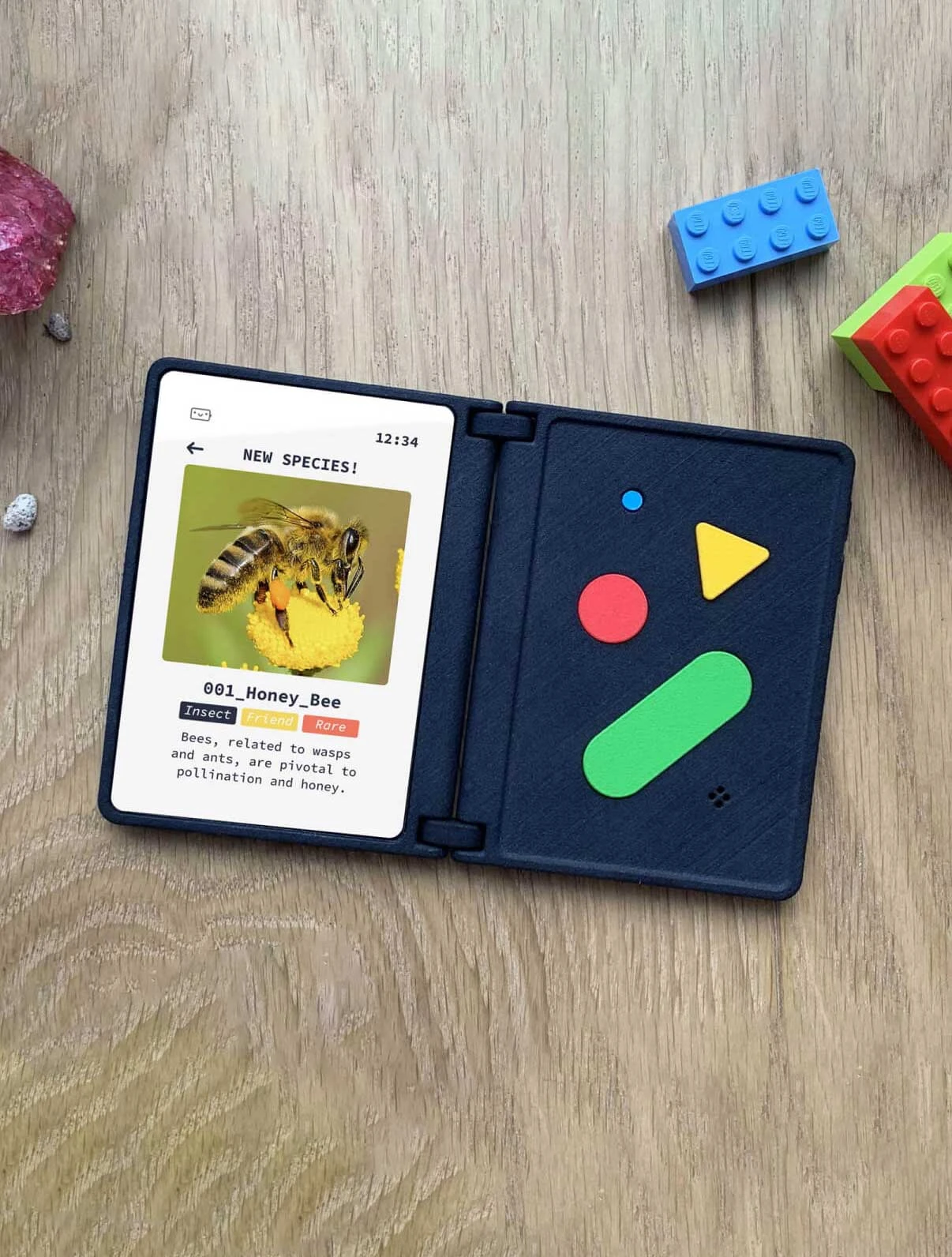
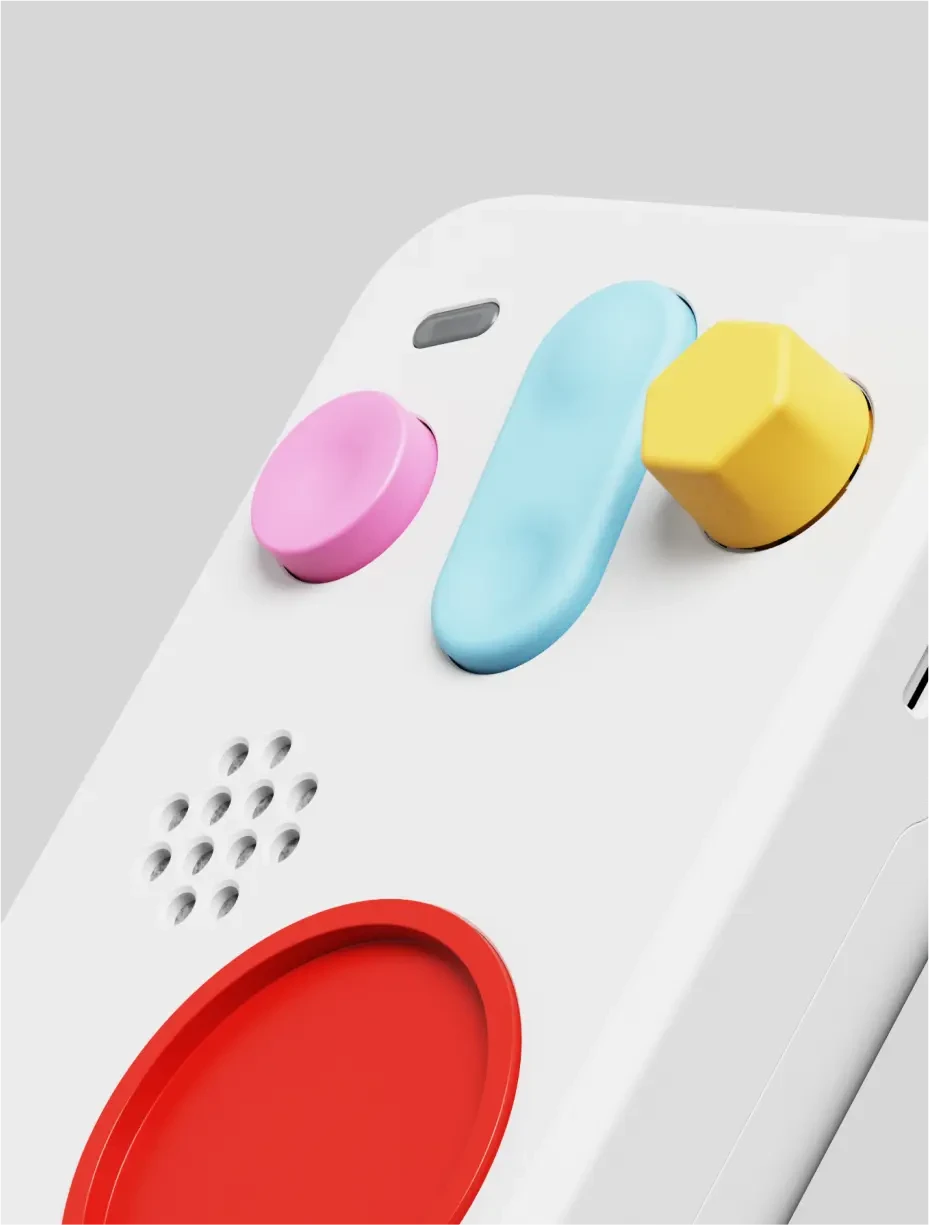
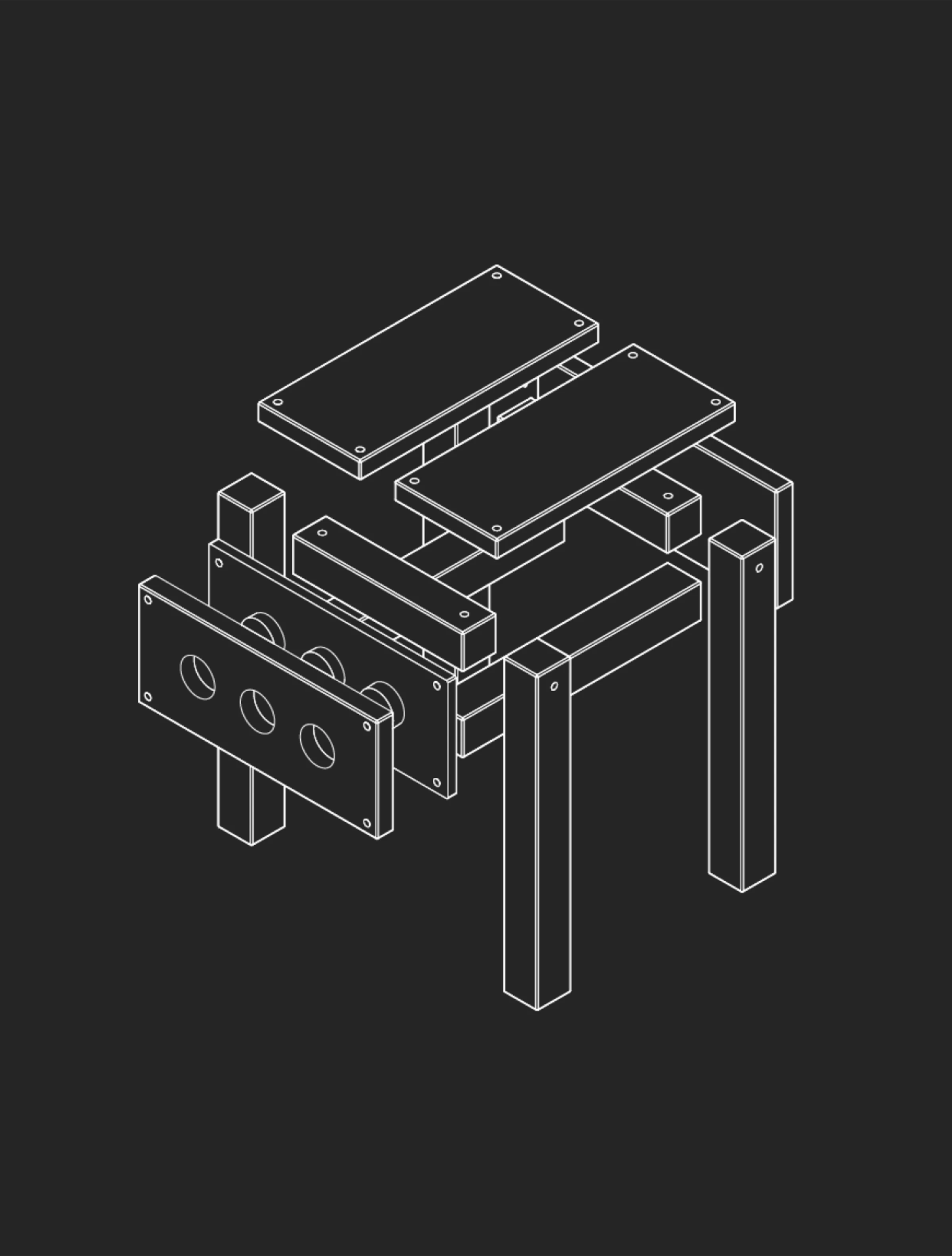
A works-like prototype tests the mechanism, electronics, software or user flow with no regard for appearance — a breadboard in a cardboard box, a mechanism in bare plastic. It answers whether the idea functions and how it feels to use, before any money is spent on form. Most great products spent months as ugly works-likes.
Questions
What is Works-Like Prototype?
A works-like prototype is a functional model built to validate how a product operates, deliberately ignoring final aesthetics.
Why do you use Works-Like Prototype?
Function risk is usually the bigger risk. Prove it cheaply and early, before form makes changes expensive.
How do you use/apply Works-Like Prototype?
Build the minimum that exercises the real function — off-the-shelf parts, dev boards, printed brackets — test it hard, learn, and iterate fast.
When do you use Works-Like Prototype?
Continuously from concept until the function is settled, then merge with the looks-like into an integrated prototype.
Who uses Works-Like Prototype?
Engineers, industrial designers and anyone de-risking a mechanism or experience.