Overmoulding
Design Processes
Moulding a second material onto a finished part — a soft grip over a hard handle.
In practice
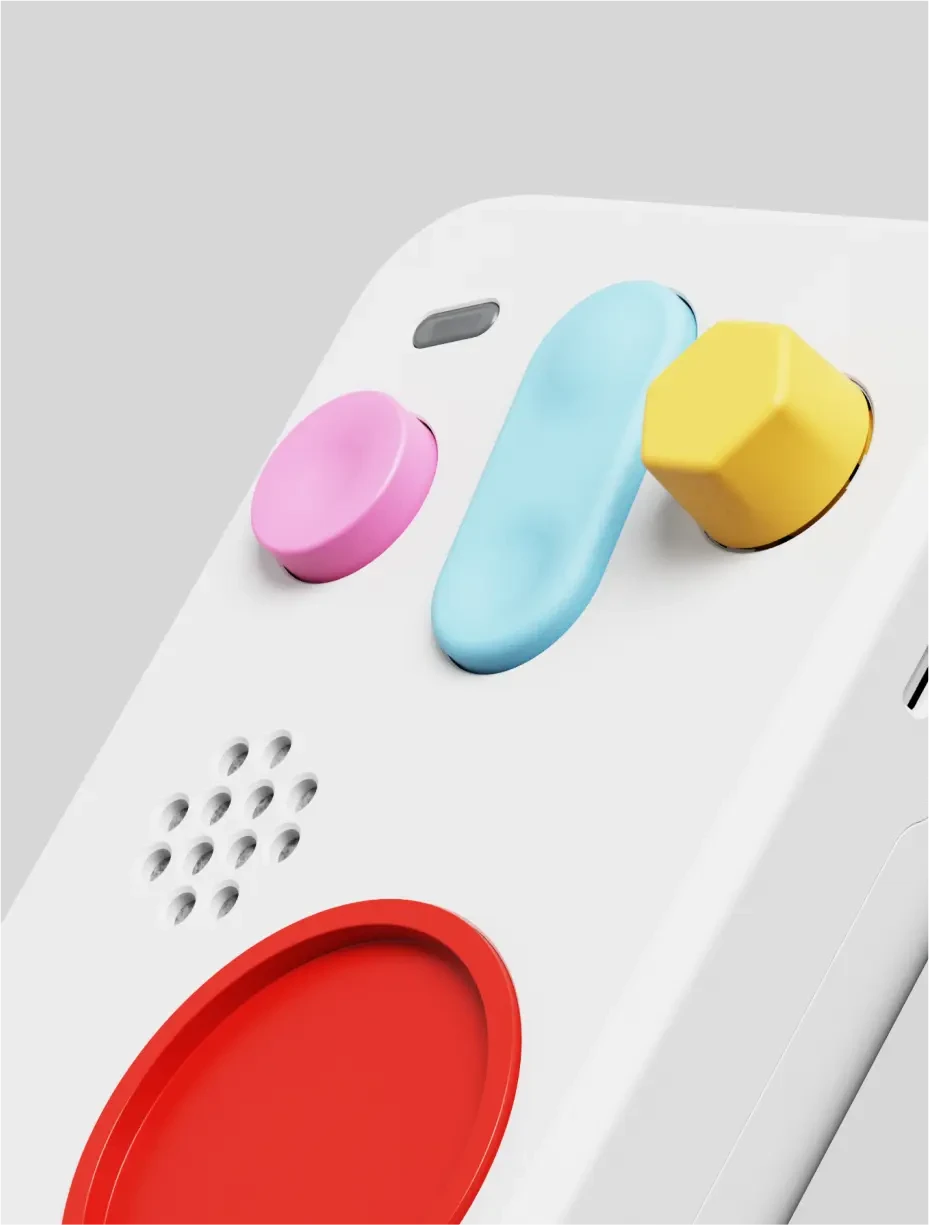
Overmoulding injects one material over another already-formed part, bonding a soft-touch elastomer onto a rigid substrate, a colour onto a base, or a seal into a housing. It is how a toothbrush gets its grip and a tool its rubber shell. It adds a second tool and cycle but replaces assembly, adhesives and the seam where two parts used to meet.
Questions
What is Overmoulding?
Overmoulding is a two-stage moulding process in which a second material is moulded directly onto a substrate part to combine properties in one component.
Why do you use Overmoulding?
Comfort, grip, sealing and colour in a single part, with no assembly and a bond that outlasts glue.
How do you use/apply Overmoulding?
Design the substrate with mechanical keys for the overmould, choose materials that bond chemically, mould the substrate, then overmould in a second tool or a rotating one.
When do you use Overmoulding?
For hand-held products, seals, cushioned edges and anywhere two materials must meet cleanly.
Who uses Overmoulding?
Industrial designers and engineers designing for injection moulding.