Proximity
Design Principles
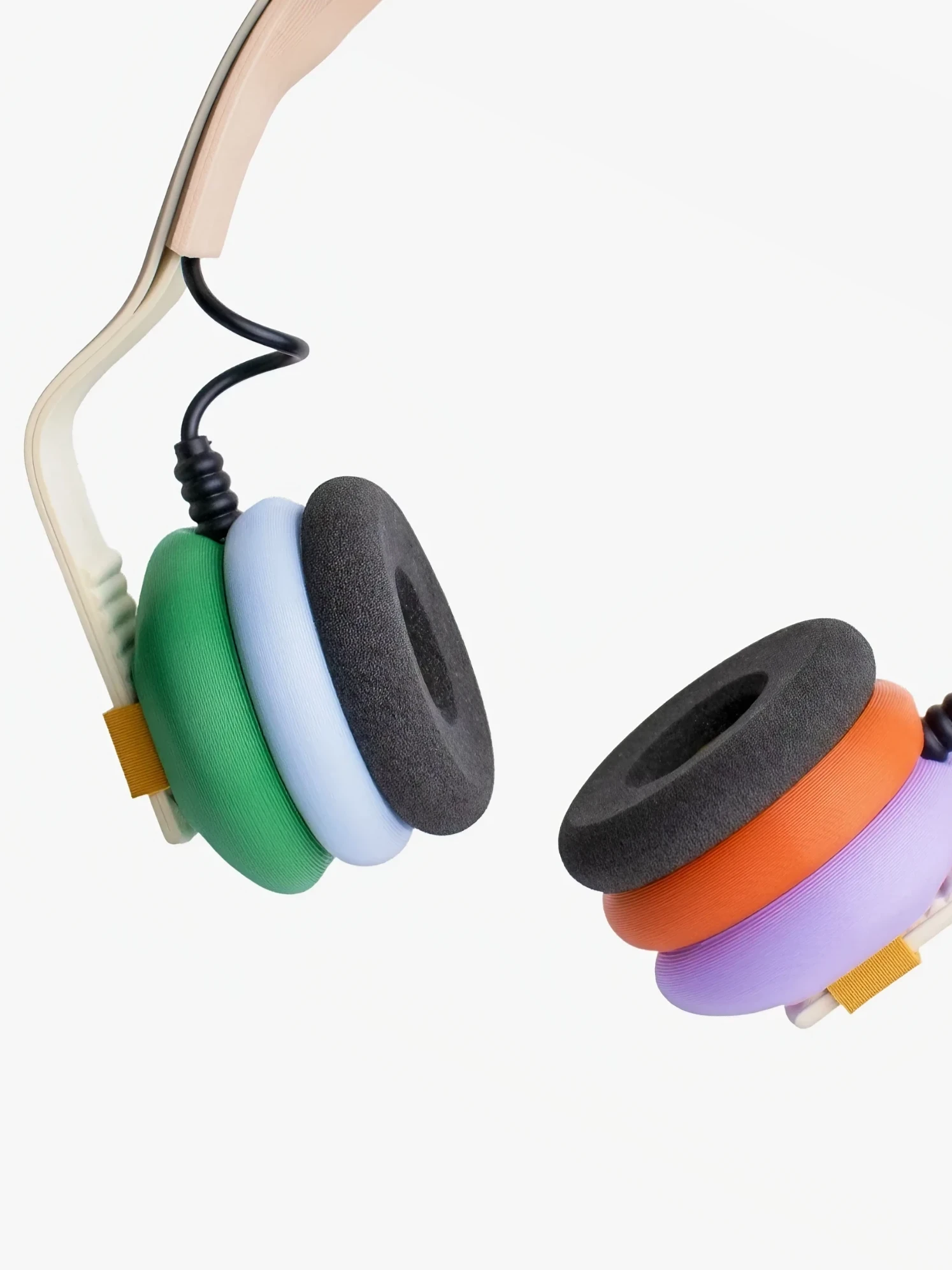
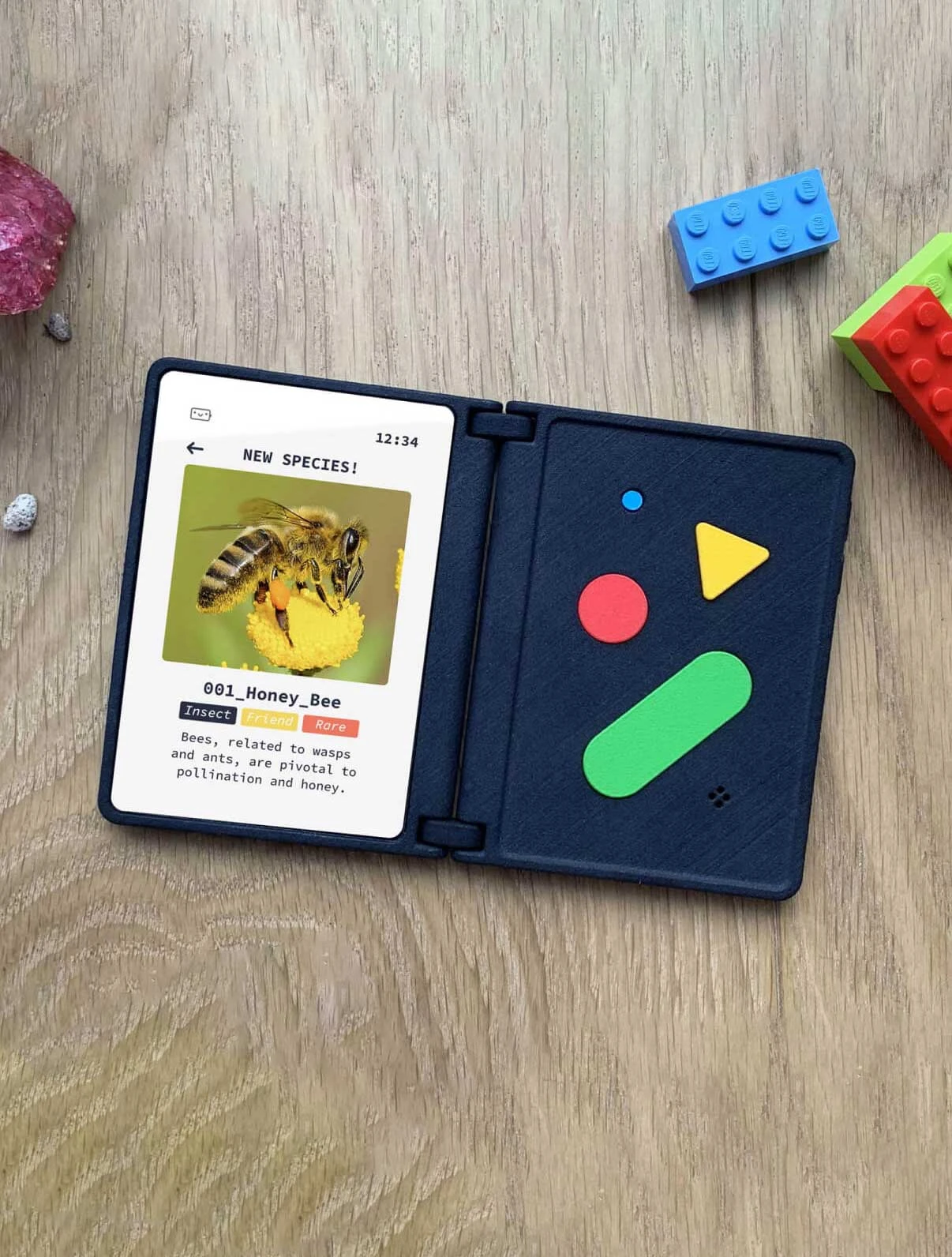
Places related elements close together to visually connect them and establish relationships within the design.
In practice
In layout and composition, proximity involves grouping related elements close to each other to establish visual relationships and convey a sense of organization. Designers use proximity to create logical connections between elements, making it clear to the viewer which elements are related or form a cohesive unit. This principle enhances visual clarity and helps communicate information more effectively within a design.
Questions
What is Proximity?
Proximity is the principle that elements placed close together are read as related, and elements separated are read as distinct.
Why do you use Proximity?
It is the cheapest grouping tool available. Most confusing layouts are confusing because spacing contradicts the actual relationships.
How do you use/apply Proximity?
Make the space within a group clearly smaller than the space around it, and be consistent about which distances mean what.
When do you use Proximity?
In every layout, and critically in forms and dense data.
Who uses Proximity?
Graphic, product and information designers.