Additive Manufacturing
Design Processes
Creating objects by adding material layer by layer.
In practice
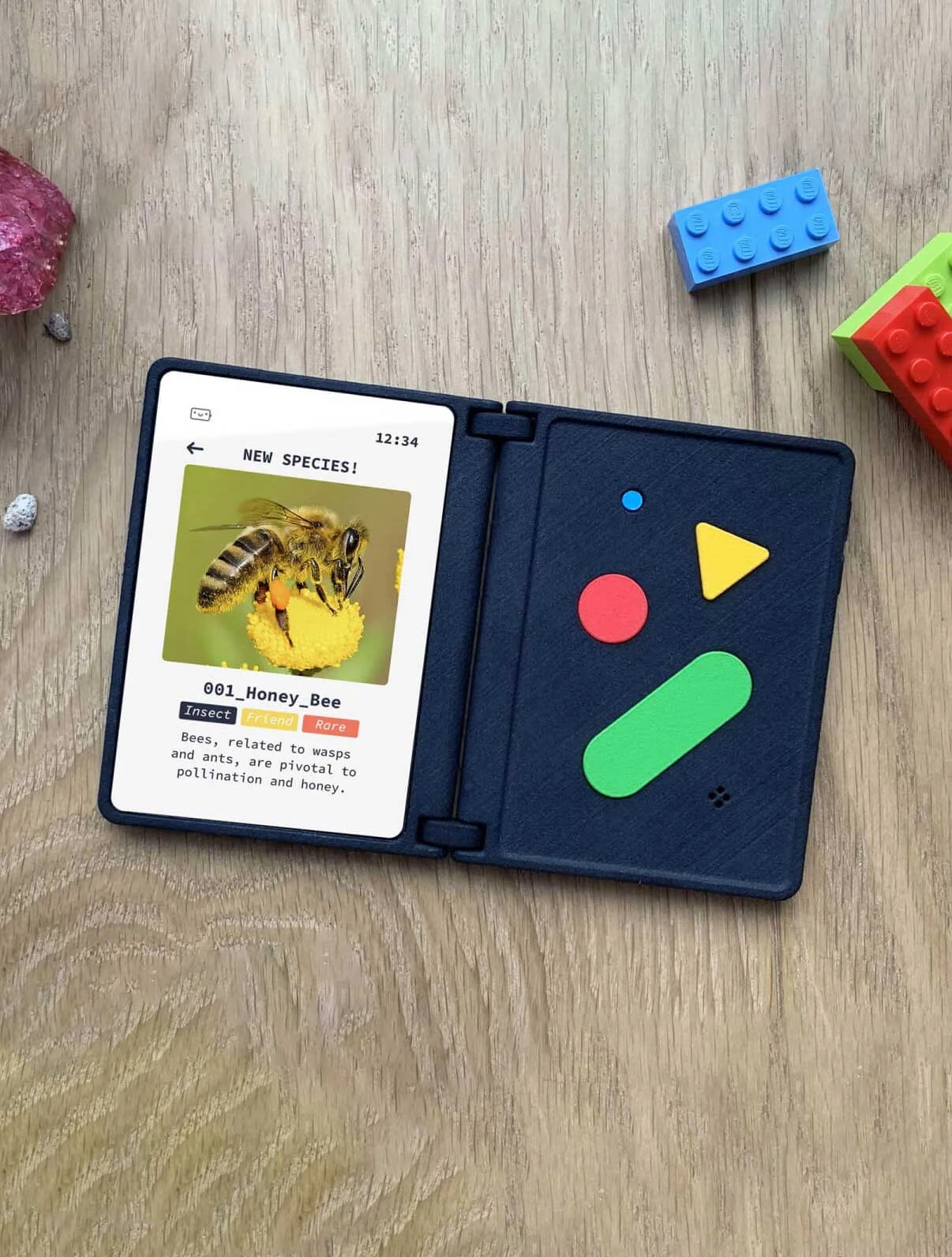
Additive Manufacturing, also known as 3D printing, revolutionizes traditional manufacturing processes by building objects layer by layer from digital models. This innovative approach allows for intricate and customized designs, reduces material waste, and offers flexibility in producing complex structures. Additive Manufacturing is utilized across industries for prototyping, product development, and on-demand production, driving advancements in design and manufacturing capabilities.
Questions
What is Additive Manufacturing?
Additive manufacturing builds a physical part by adding material layer by layer from a digital model, rather than cutting it away from a solid block.
Why do you use Additive Manufacturing?
It makes geometry that is impossible to machine or mould, and it makes one-off parts economic — there is no tooling to pay for before the first piece.
How do you use/apply Additive Manufacturing?
Model the part, orient it for strength and support, slice it into layers, print, then clean up supports and finish the surface.
When do you use Additive Manufacturing?
For prototypes, jigs, low volumes and complex geometry. For high volumes, moulding is still usually cheaper per part.
Who uses Additive Manufacturing?
Industrial designers, engineers and anyone with a printer and something to try.