FDM (Fused Deposition Modeling)
Design Processes
3D printing process depositing material layer by layer.
In practice
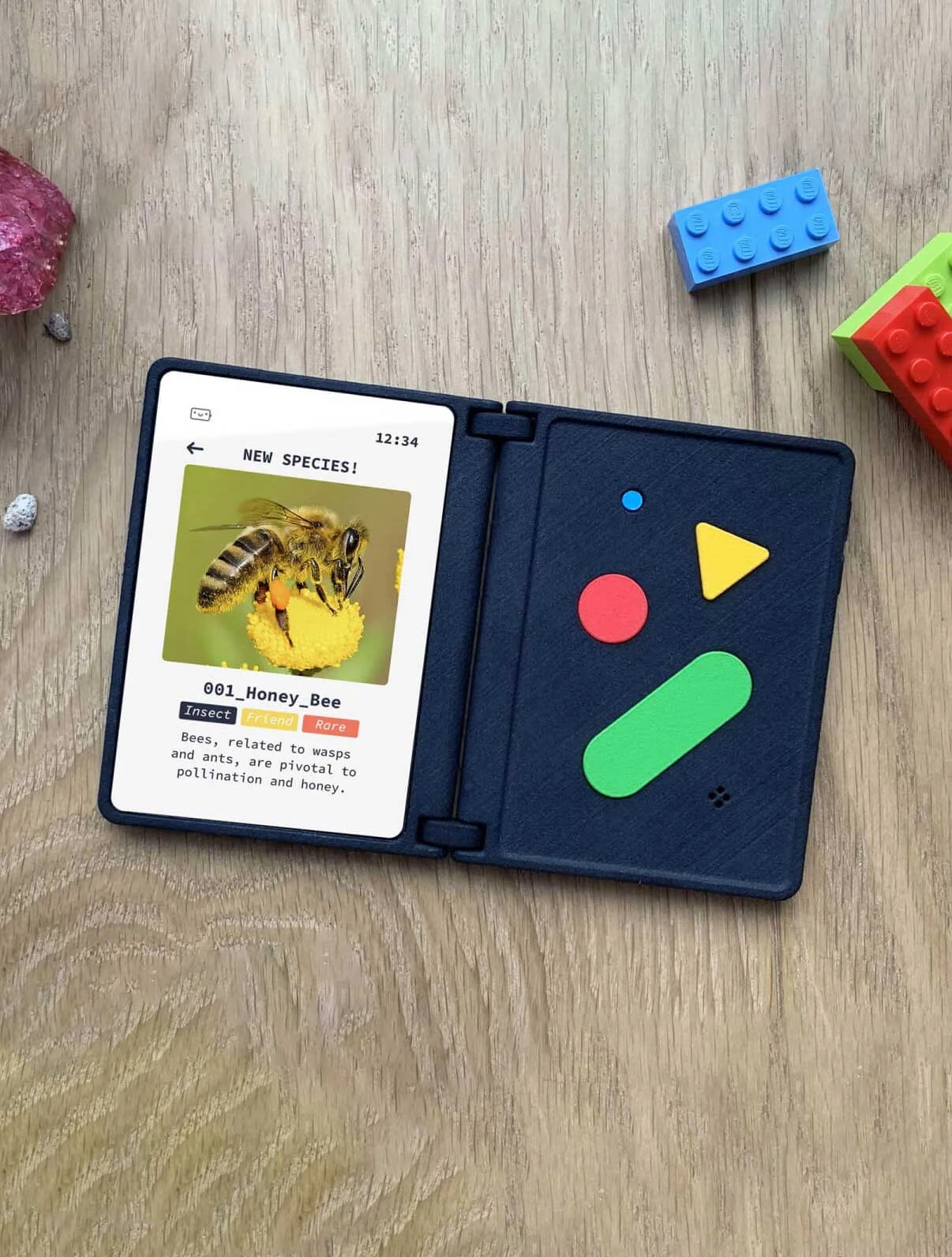
In 3D printing, Fused Deposition Modeling (FDM) is an additive manufacturing technique that builds objects layer by layer by depositing molten material through a nozzle. FDM is popular for creating prototypes, functional parts, and various products in a cost-effective and accessible manner. It is widely used in rapid prototyping and small-scale production, offering versatility in material choices and design possibilities.
Questions
What is FDM (Fused Deposition Modeling)?
FDM builds a part by extruding molten plastic through a nozzle in layers, the most common and most accessible form of 3D printing.
Why do you use FDM (Fused Deposition Modeling)?
It is fast, cheap and good enough for form models, jigs and functional prototypes, which makes it the default for iterating physical design.
How do you use/apply FDM (Fused Deposition Modeling)?
Orient the part for strength across layers rather than along them, add supports for overhangs, and expect visible layer lines that need finishing.
When do you use FDM (Fused Deposition Modeling)?
For early prototypes, fixtures and low-volume functional parts.
Who uses FDM (Fused Deposition Modeling)?
Industrial designers, engineers and hobbyists.