Circular Design
Design Futures/Fiction
Designing products so their materials keep circulating instead of becoming waste.
In practice
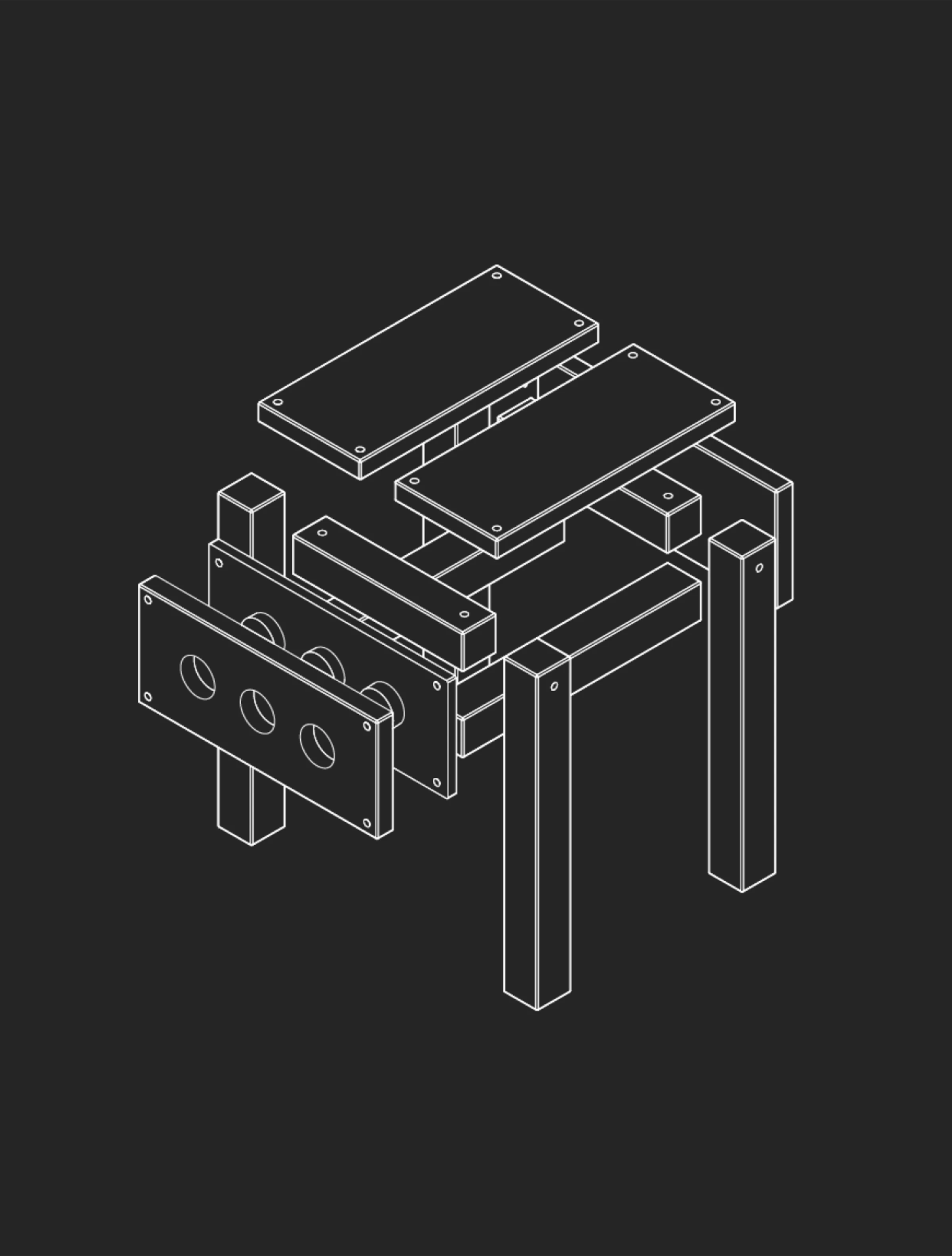
Circular design plans a product's whole life from the start: made from recycled or renewable material, built to be repaired and upgraded, easy to disassemble, and recoverable into new products at the end. It replaces the take-make-dispose line with a loop. For designers it is concrete: material choices, fastenings, modularity and take-back systems all become design decisions.
Questions
What is Circular Design?
Circular design is a methodology for creating products and services that eliminate waste by keeping materials in use through repair, reuse, remanufacture and recycling.
Why do you use Circular Design?
Linear products end in landfill by design. Circular ones retain value, cut material cost, and increasingly are what regulation demands.
How do you use/apply Circular Design?
Choose mono-materials and recyclables, design for disassembly with reversible fastenings, plan repair and upgrade paths, and build the take-back and recovery system alongside the product.
When do you use Circular Design?
From the first material decision — circularity cannot be added at the end.
Who uses Circular Design?
Industrial designers, materials specialists and product teams in every sector.