Rapid Prototyping
Design Processes
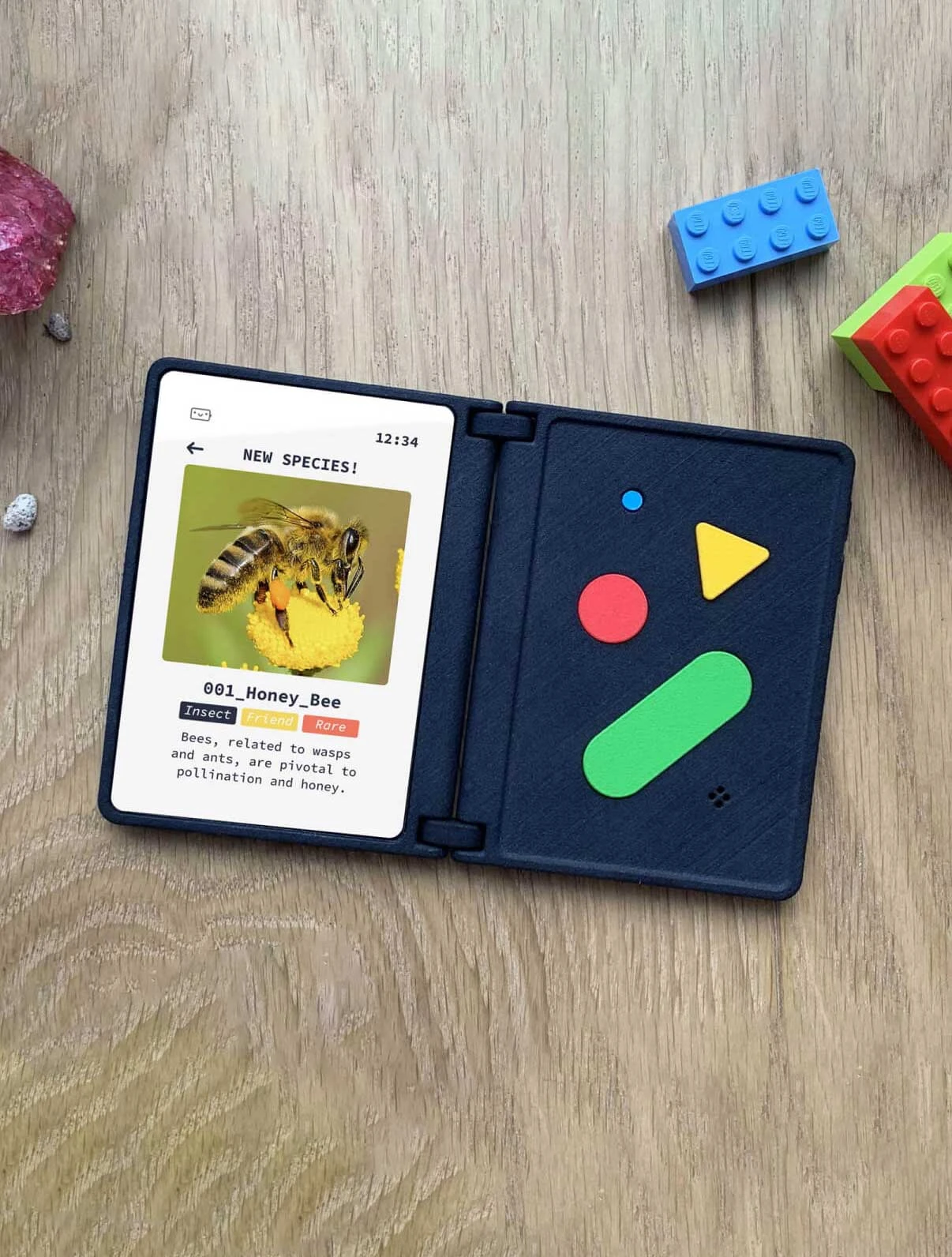
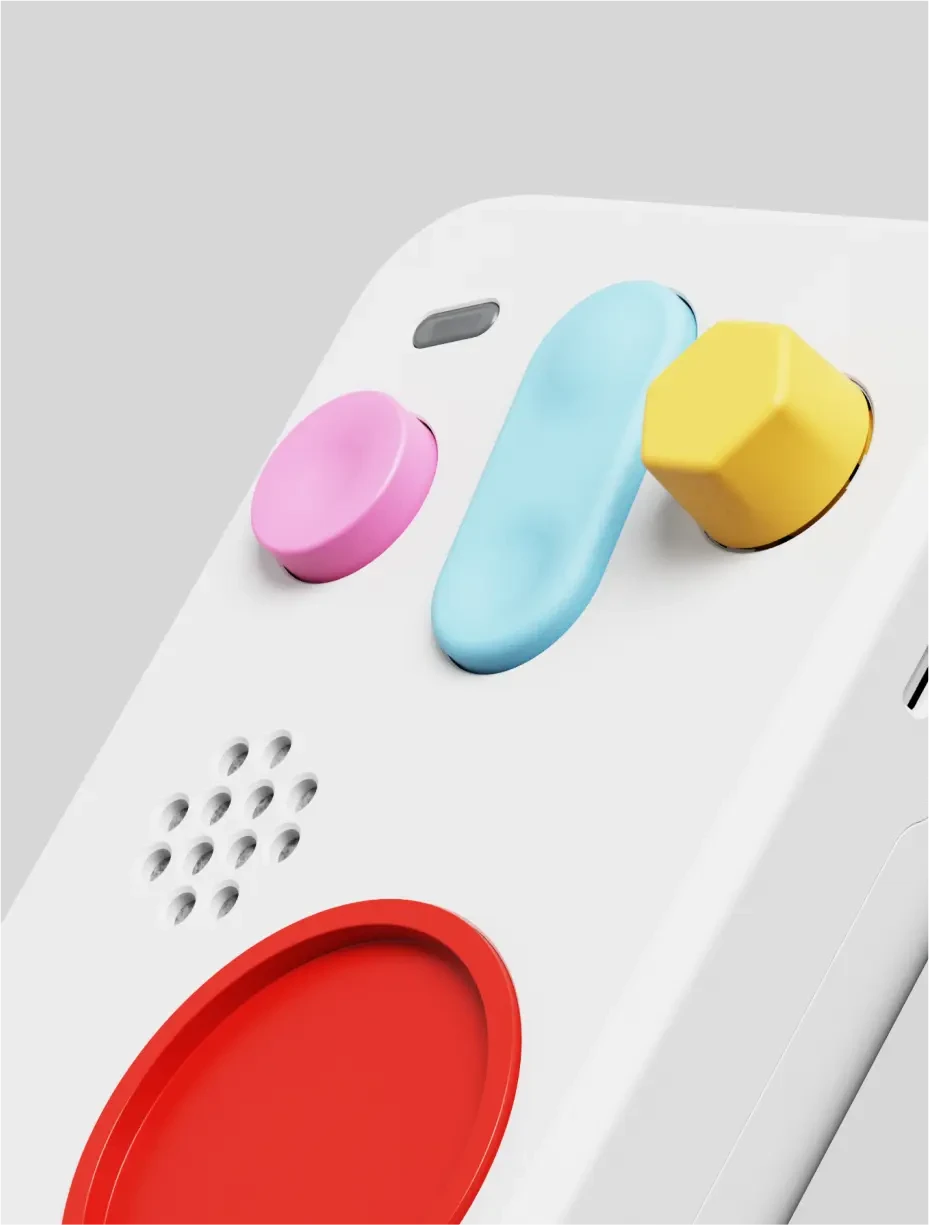
Quickly producing functional prototypes for testing and feedback, often using tools and technologies that expedite the development process. Rapid prototyping allows designers to iterate swiftly, validate design concepts, and gather early user insights, facilitating an agile and responsive design approach.
In practice
Involves quickly creating functional models of a design to test and validate concepts. Rapid prototyping is particularly important in the early stages of product development, allowing designers to gather feedback and make informed decisions. Its significance lies in accelerating the design process, reducing the time and costs associated with traditional development cycles, and facilitating a more agile and iterative approach to design.
Questions
What is Rapid Prototyping?
Rapid prototyping is making physical or digital prototypes quickly and cheaply, prioritising speed of learning over quality of output.
Why do you use Rapid Prototyping?
The value of a prototype decays with time. One made in an afternoon changes the design; one made over three weeks gets defended.
How do you use/apply Rapid Prototyping?
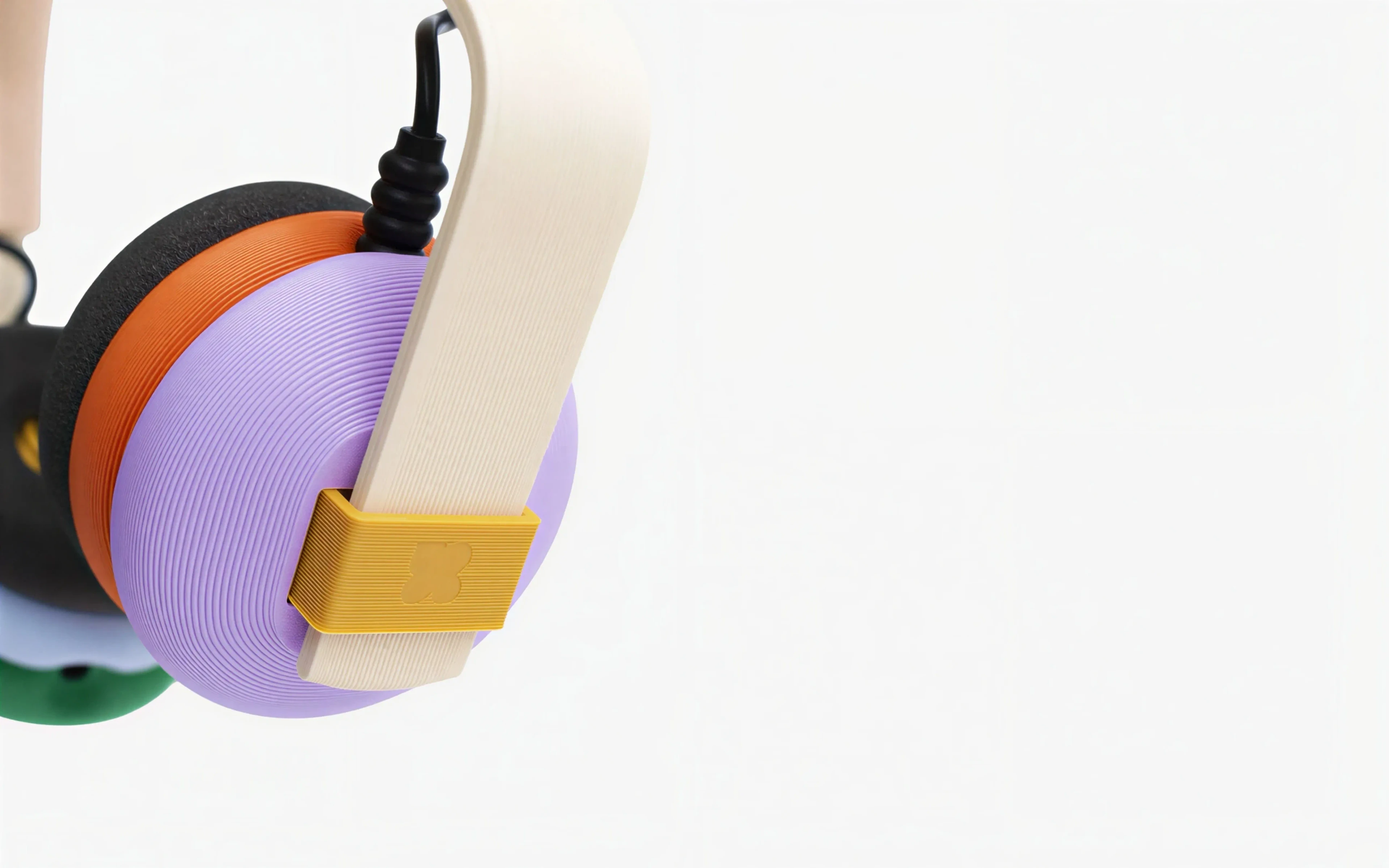
Use the fastest medium that answers the question — paper, foam, a clickable file, a printed part — and throw it away without ceremony.
When do you use Rapid Prototyping?
Early and often, whenever a question would be settled faster by making than by discussing.
Who uses Rapid Prototyping?
Designers and engineers across every discipline.